Ride on the LEFT
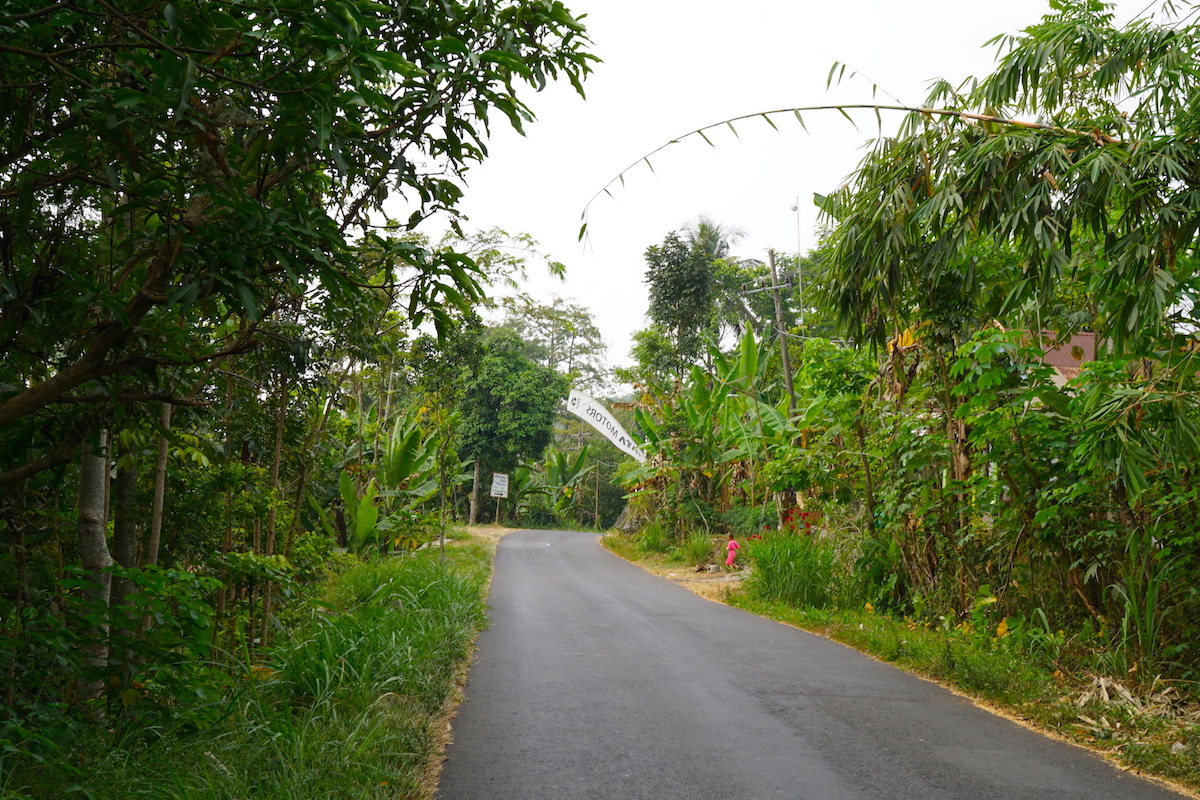
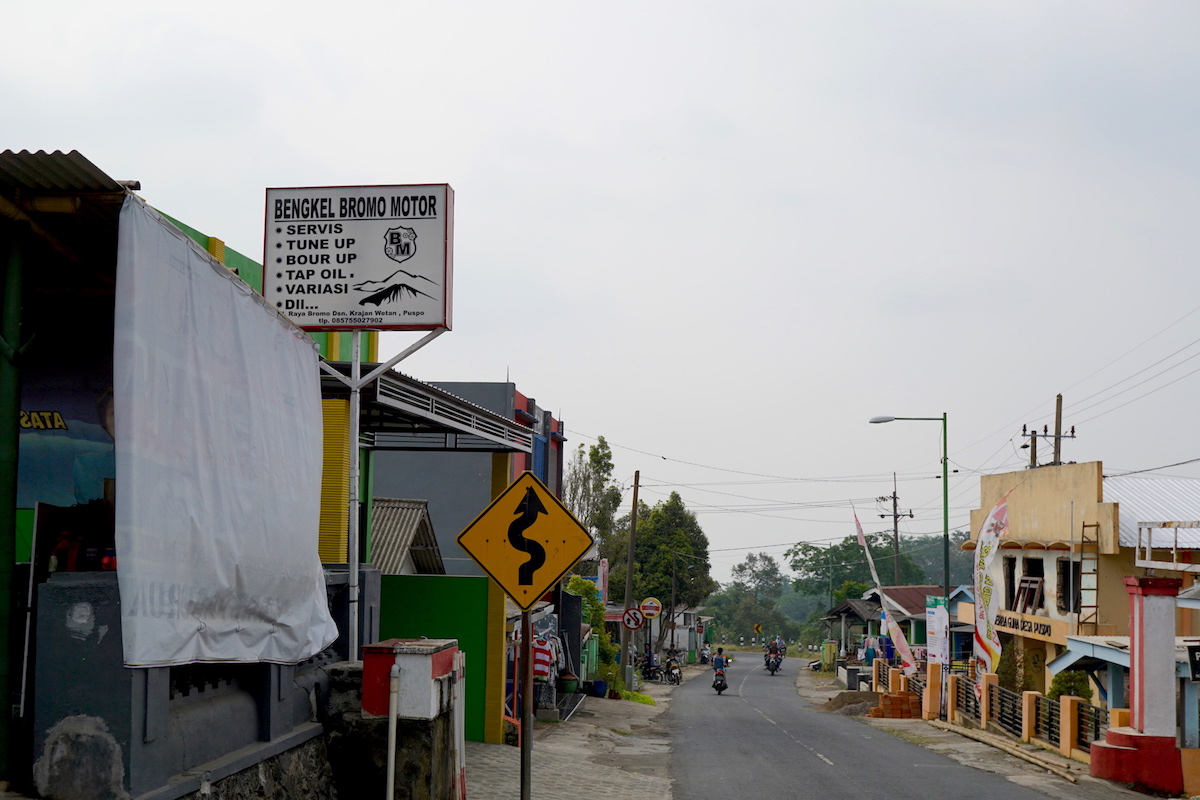
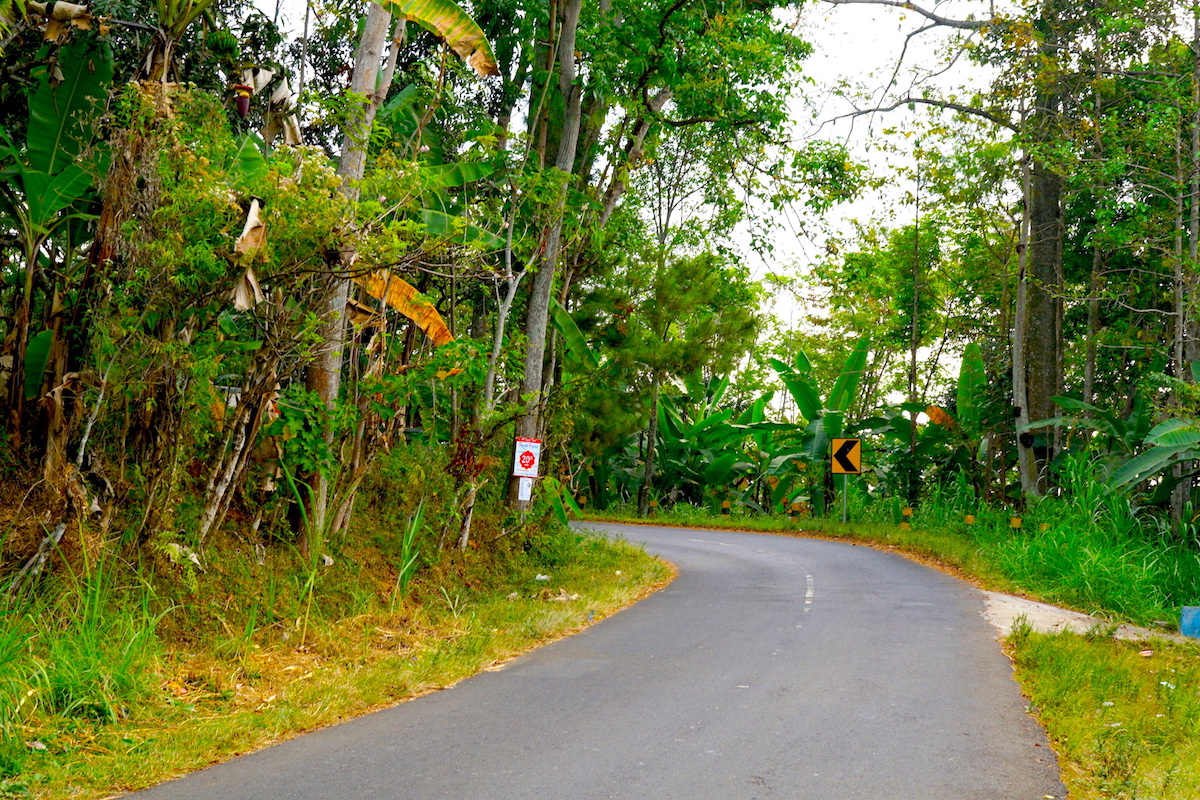
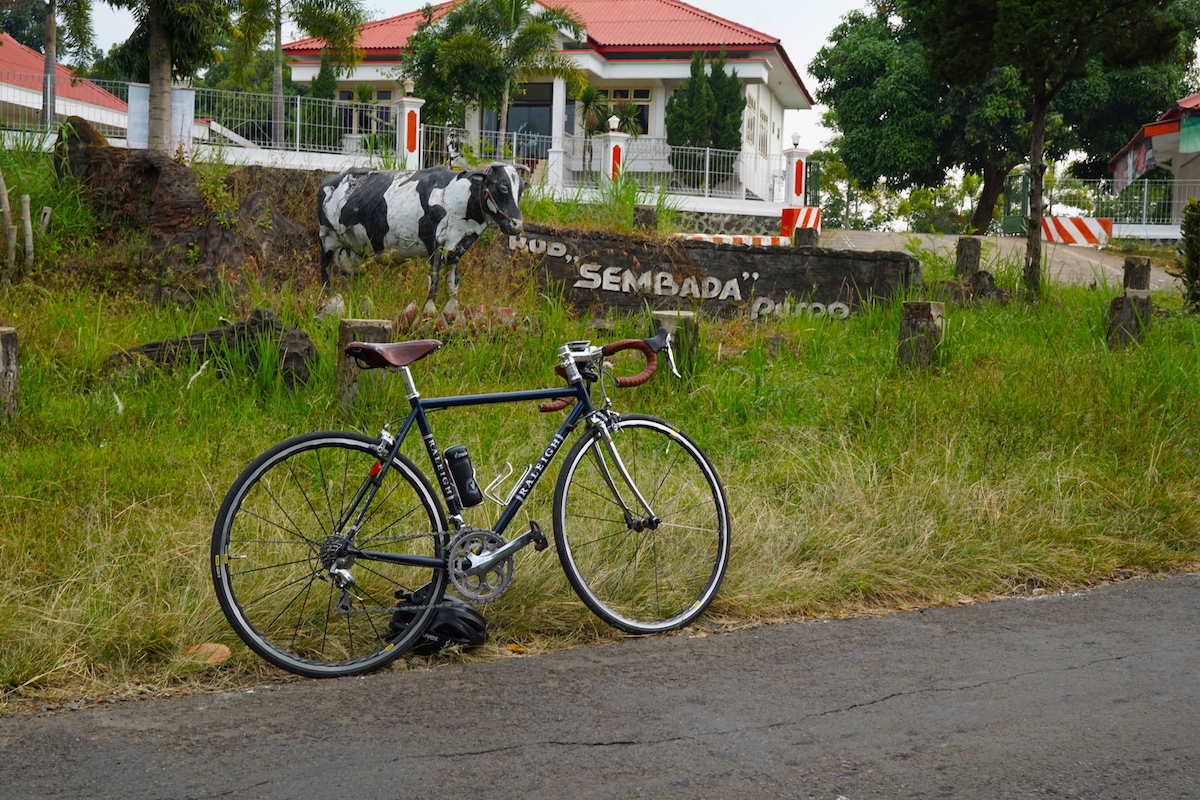
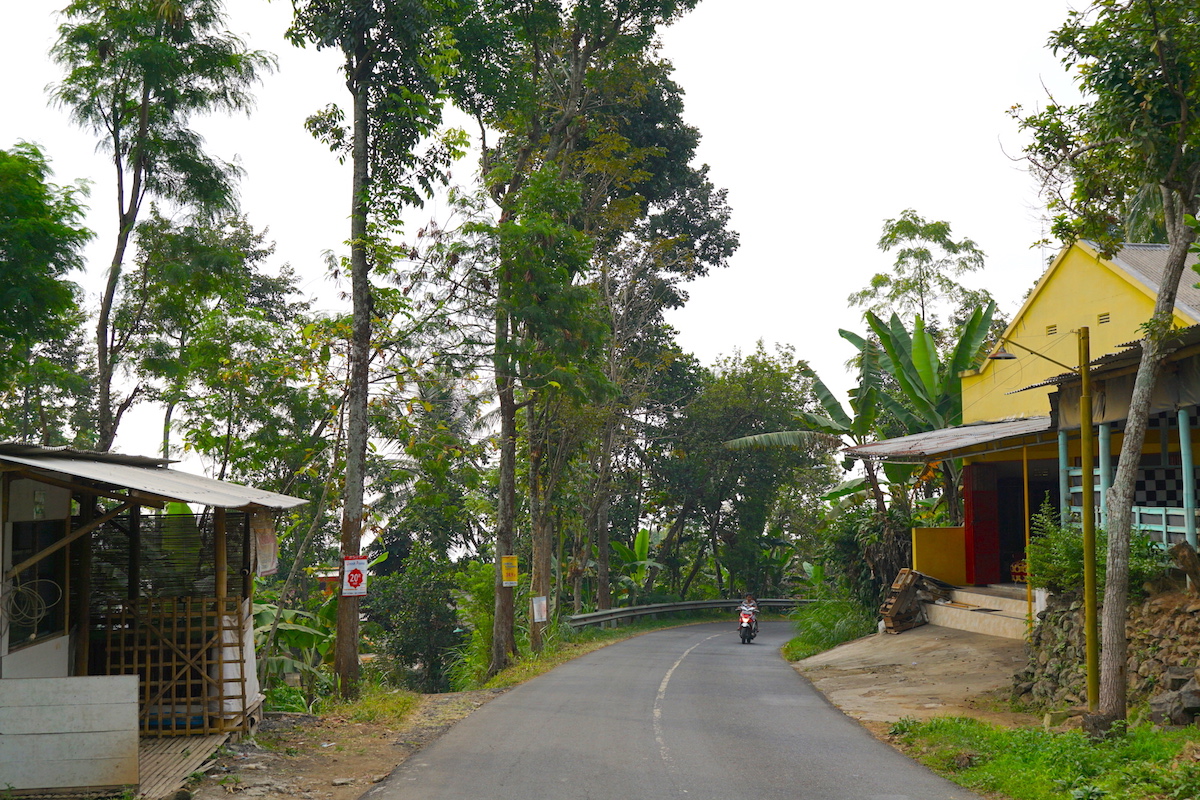
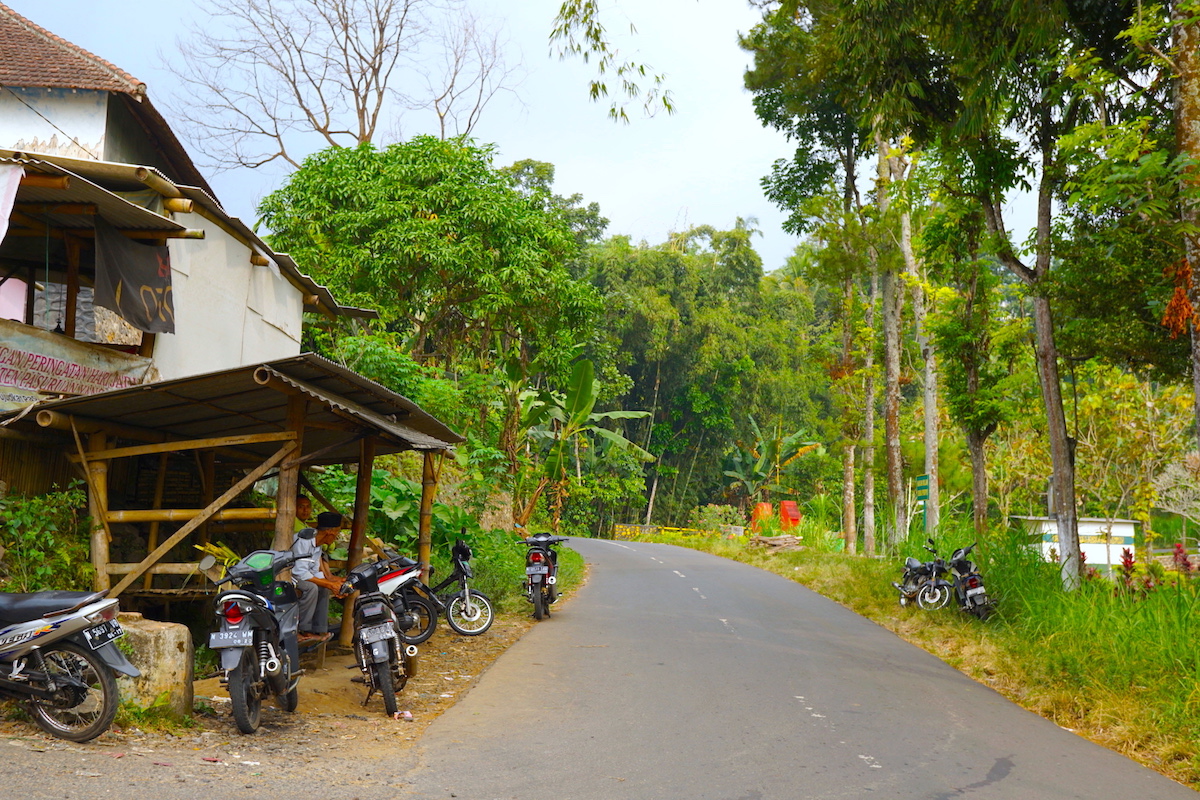
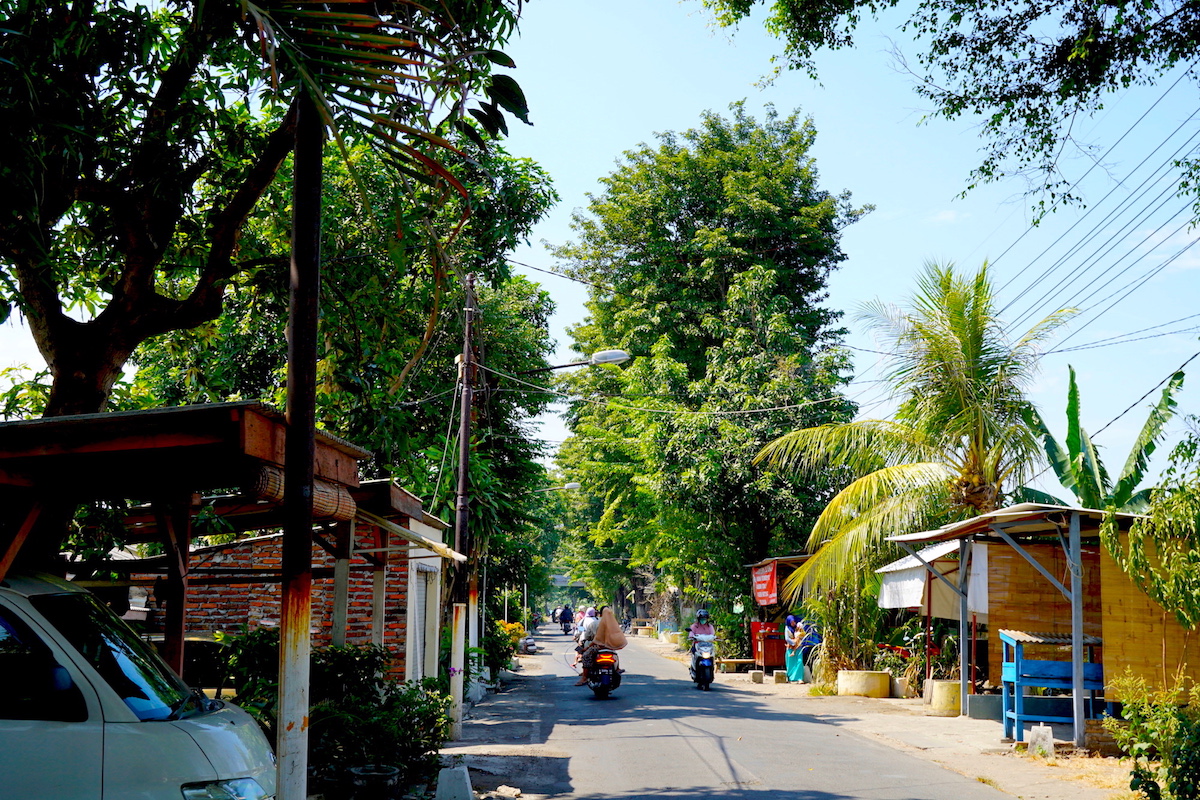
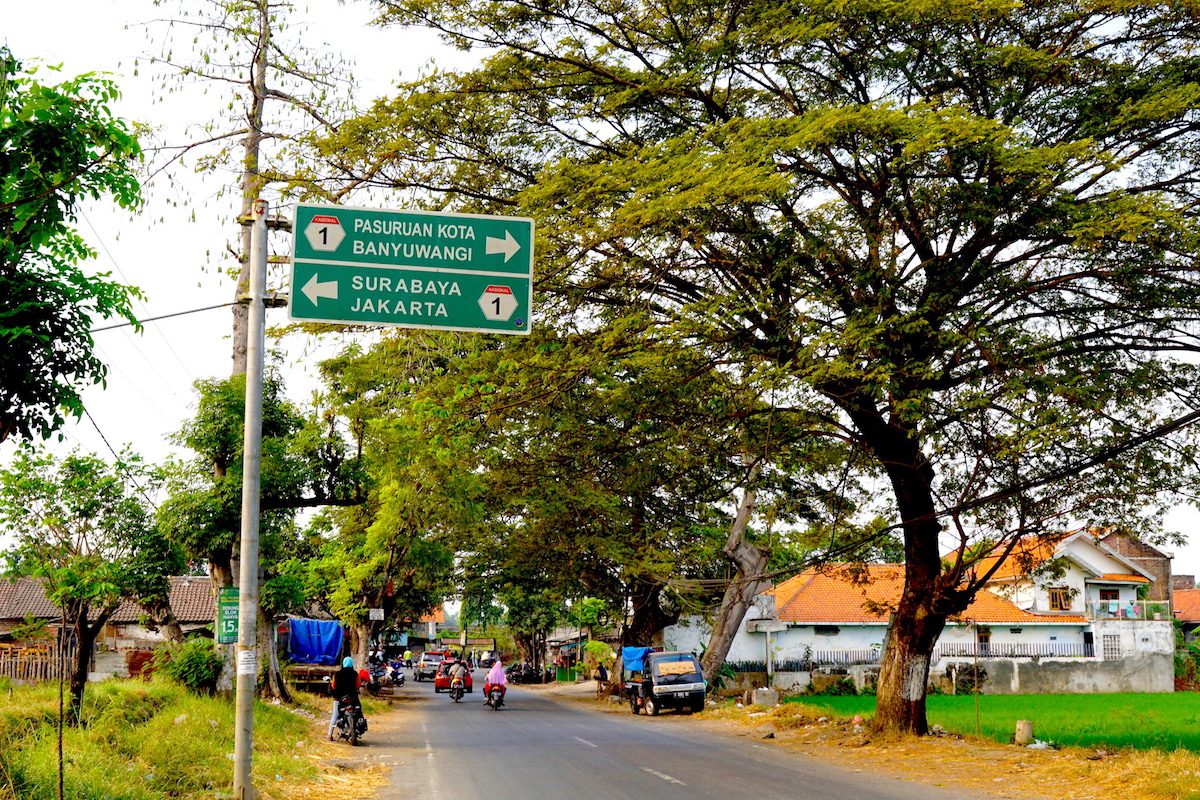
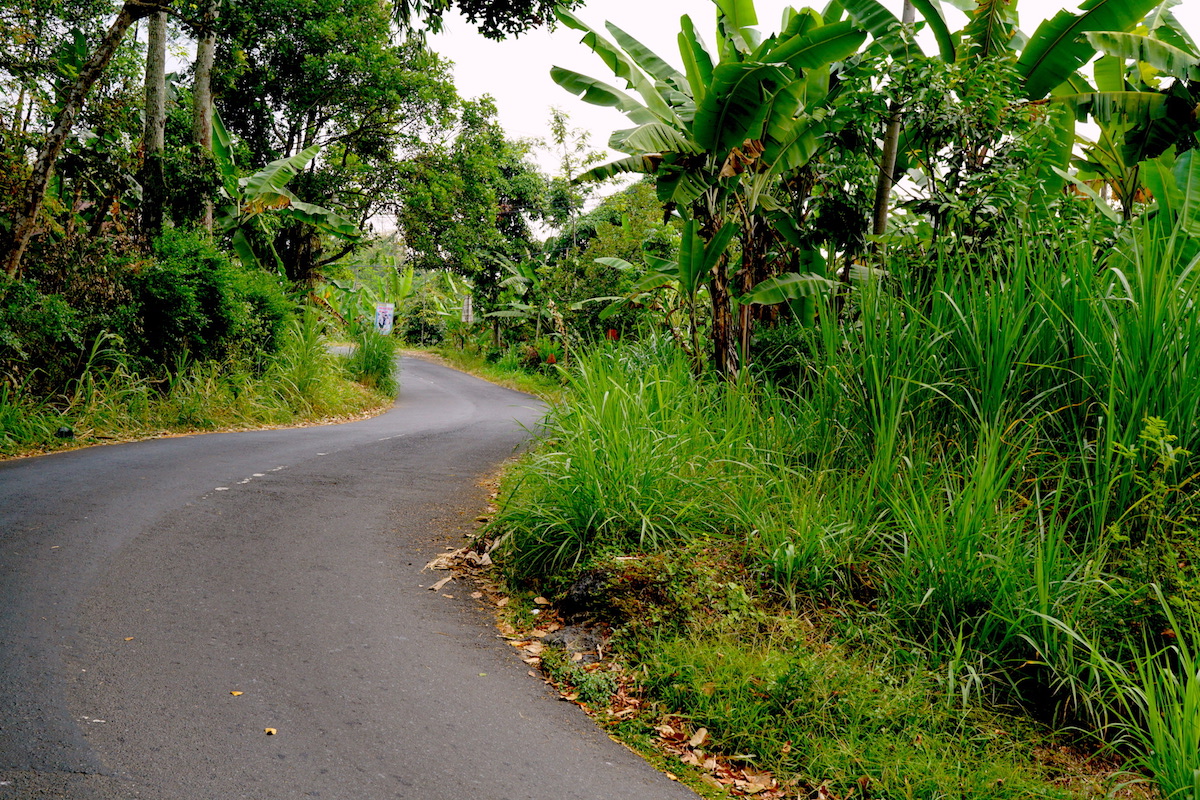
While nearly three-quarters of countries drive on the right-hand side of the road, some countries have retained the left-hand traffic tradition. Indonesia is one of those countries that drive on the left. And this tradition affects not only car drivers but also cyclists riding near the edge of the road.
If you live outside the United Kingdom, the Commonwealth or Japan, you might find it really odd. It actually takes some time for us to adjust to driving or riding on the opposite side.
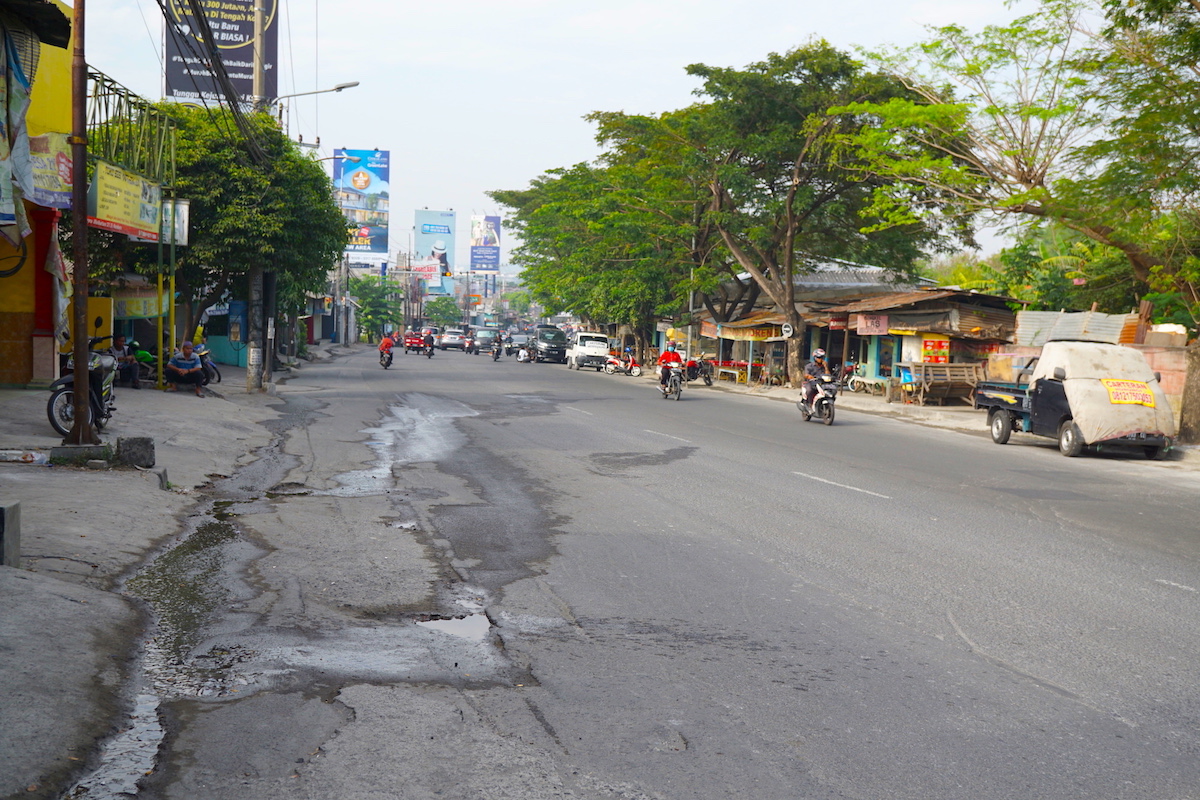
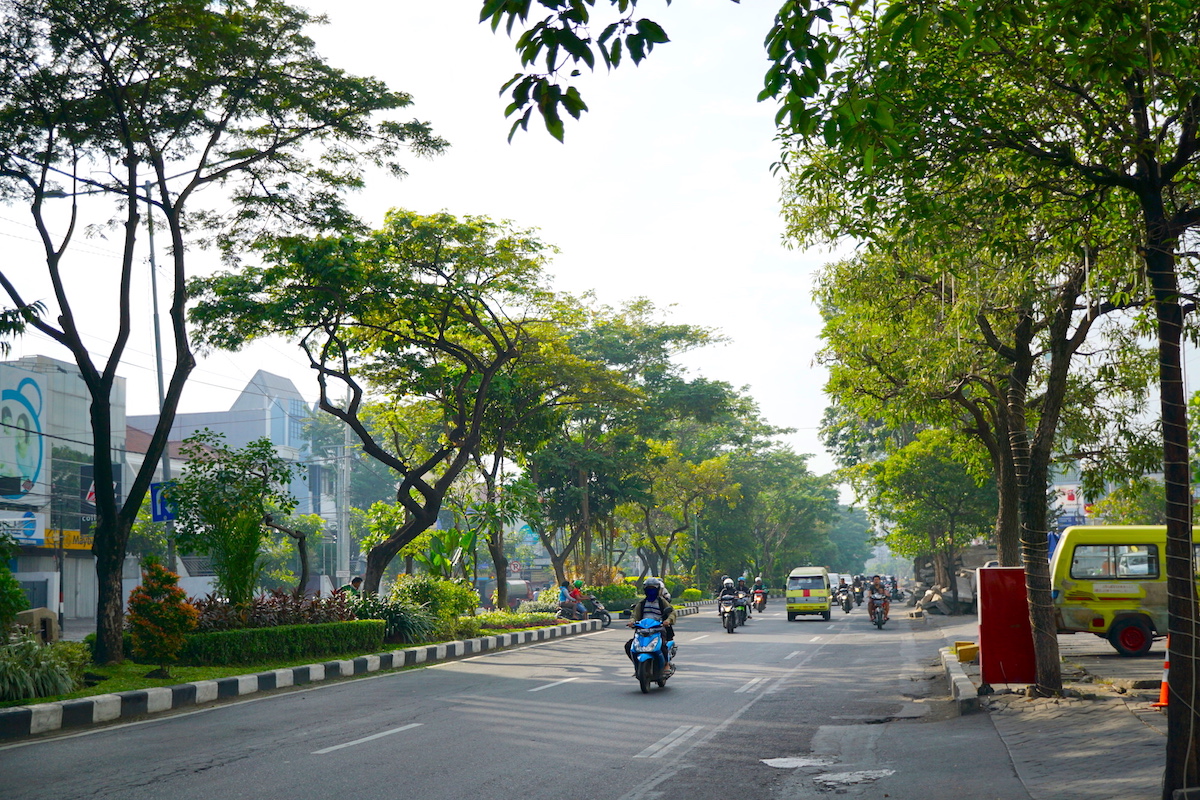
Going for a ride immediately after your arrival isn’t a good idea, especially when you arrive in a large city. The roads there are usually heavily congested and aren’t always in good condition. You can easily spot potholes, road erosion and speed bumps. Getting away from the city is hard; Indonesian cities tend to have a large metropolitan area with complicated roads. You may have trouble finding quiet, less-crowded places to practice in.
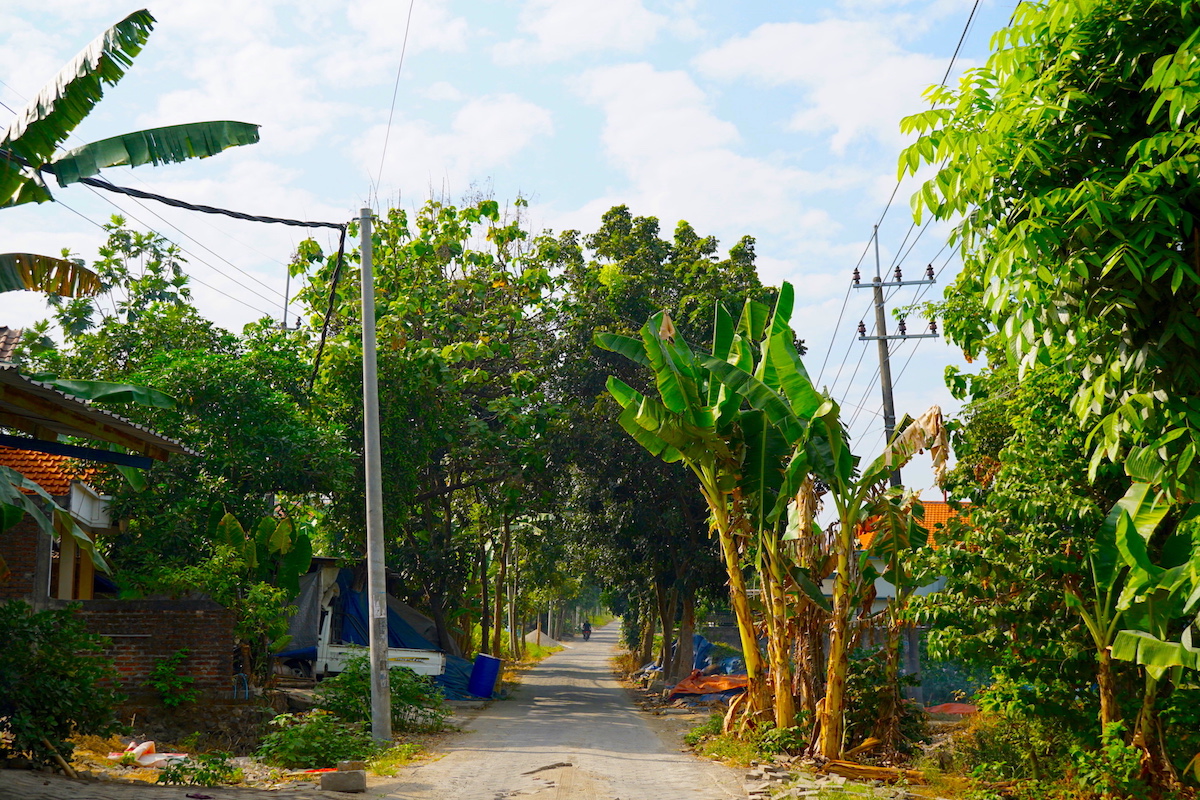
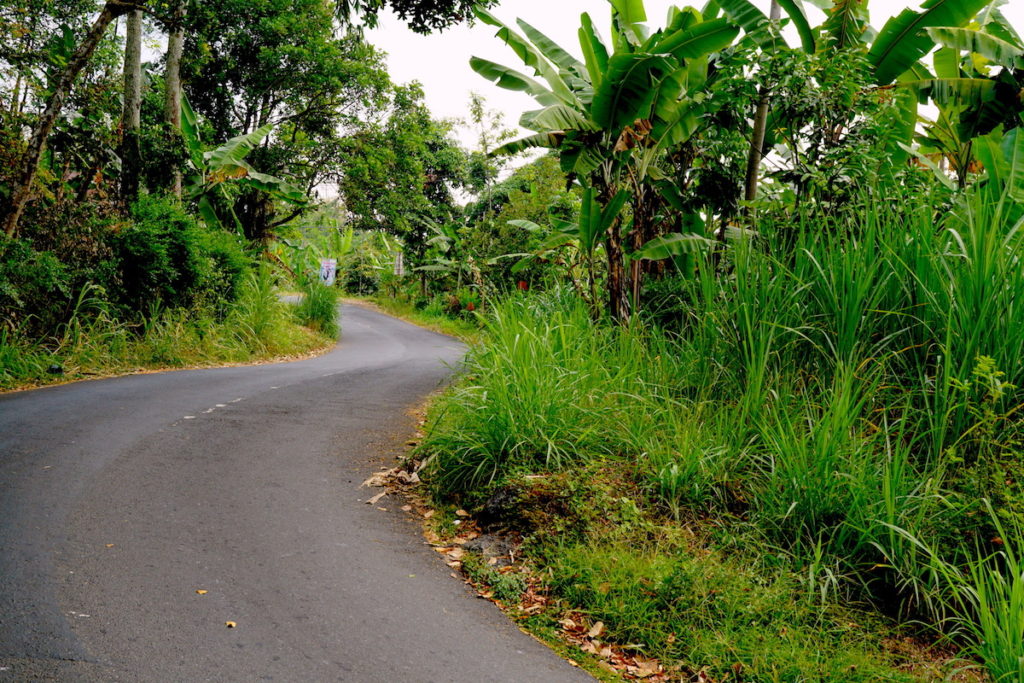
You’ll want to visit a less intimidating place. It’s always best to avoid the crowds for anybody riding on the left for their first time. While Jakarta and many other large cities are located on Java island and making it one of the world’s most densely populated area, there are many other islands with roads in good condition. Indonesia is composed of thousands of islands after all. If you are completely new to the left hand traffic, it’s advisable to visit a less crowded island first, get used to it there before visiting the country’s most developed, populated and busiest island.
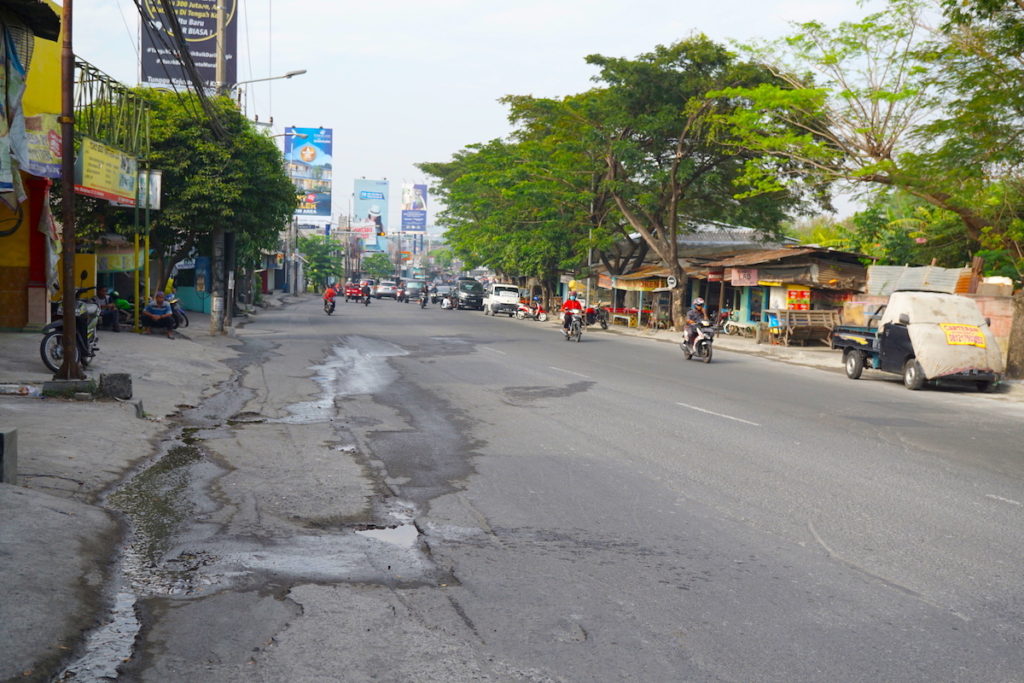
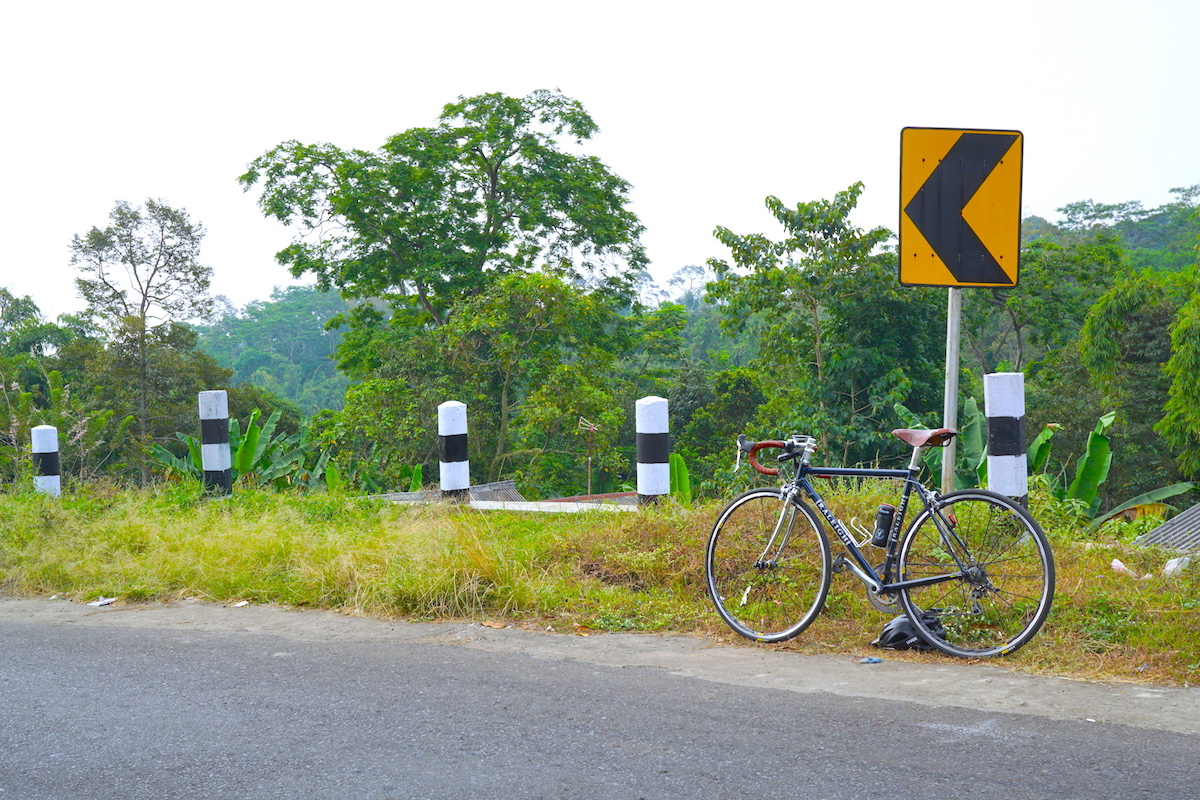
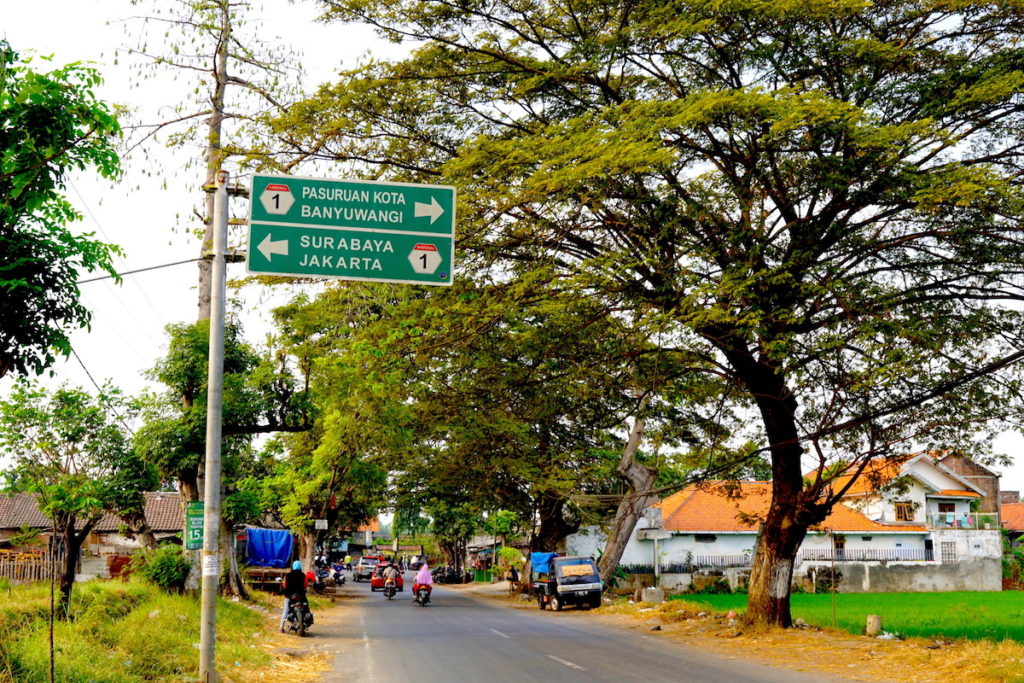
It’s also very helpful to take some time to know the route, Indonesian road signs and traffic rules. By familiarizing yourself with them, you can minimize your distractions and entirely focus on riding. Some Indonesian road signs can be found at Road signs in Indonesia. Although the article doesn’t show all the signs, they are still informative and very useful.
Alfamart & Indomaret are Cyclists’ best friends
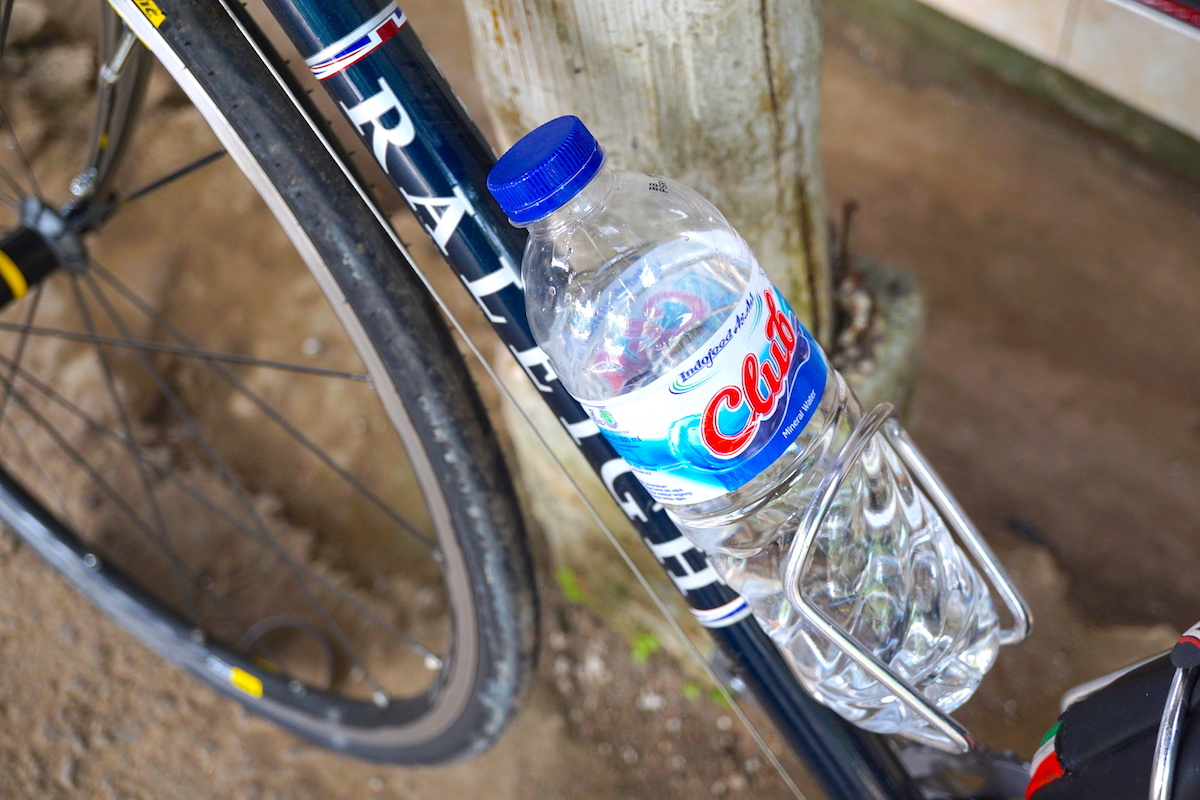
As you may know, Indonesia is one of the countries lie along the equator. Average annual temperatures in lowlands, take Jakarta for example, are around 82°F (28°C). It’s warm! Always warm. In the dry season, it becomes dry and dusty, too. Drinking water on a regular basis is vitally important in this tropical equatorial climate.
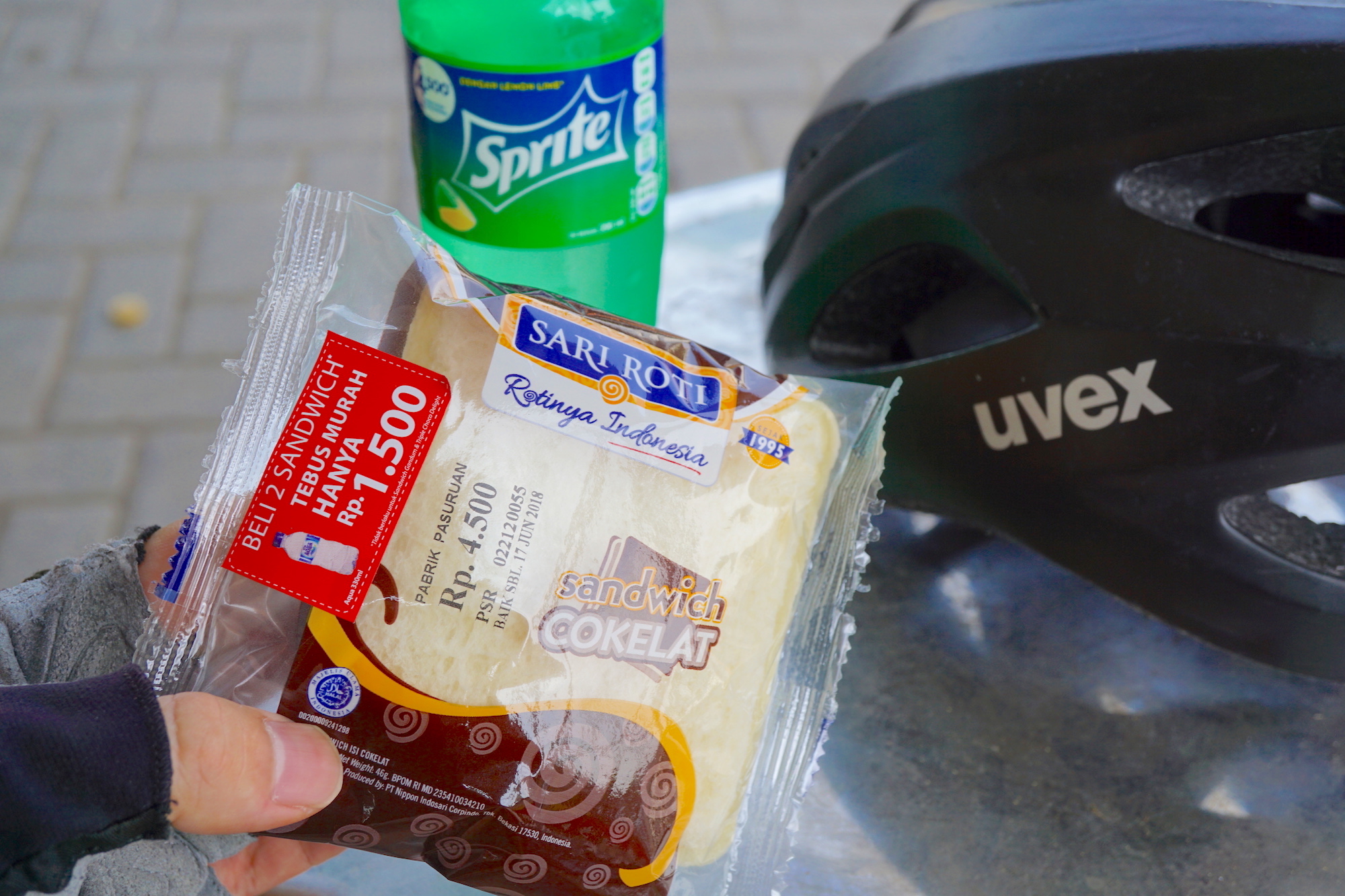
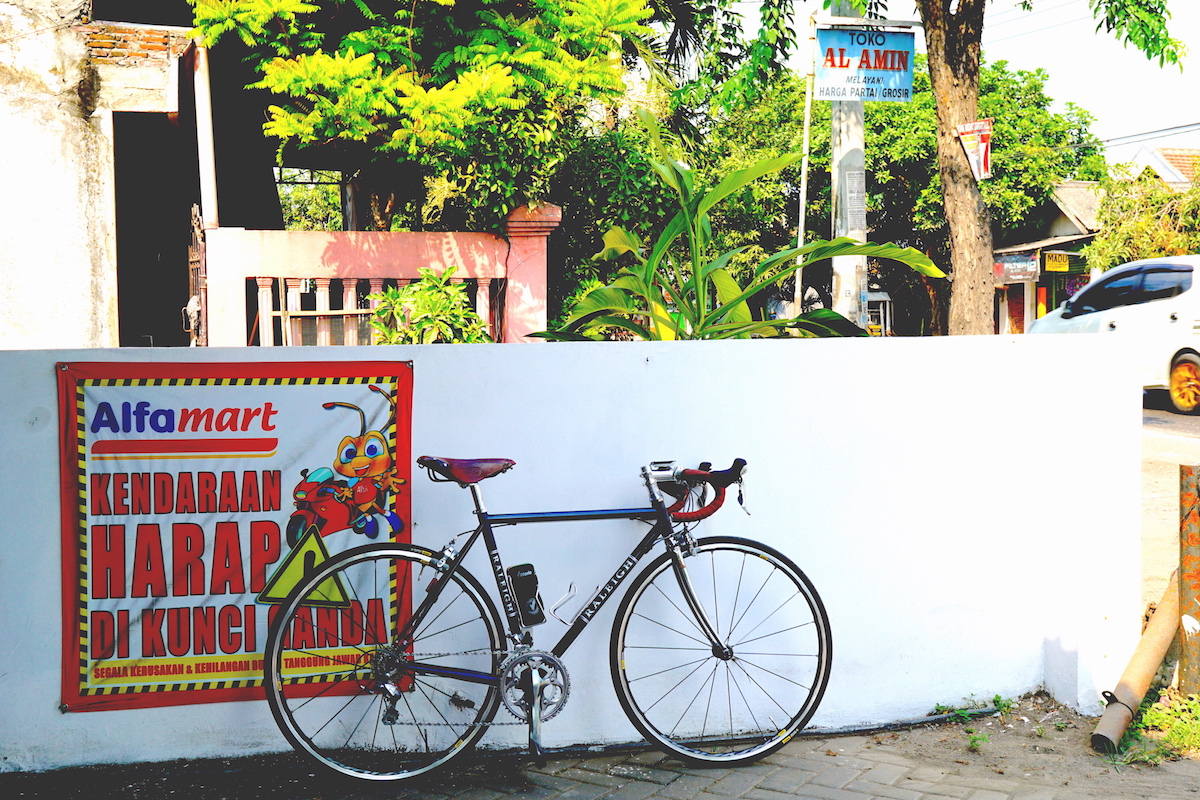
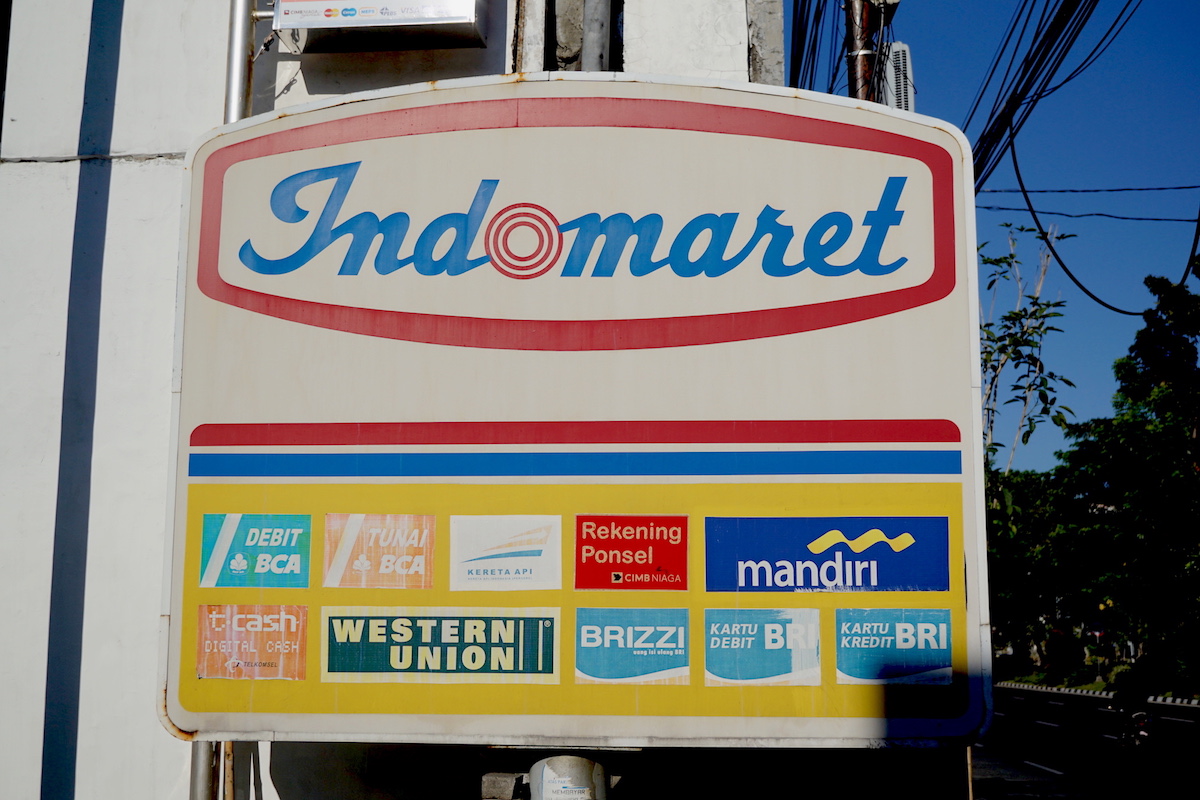
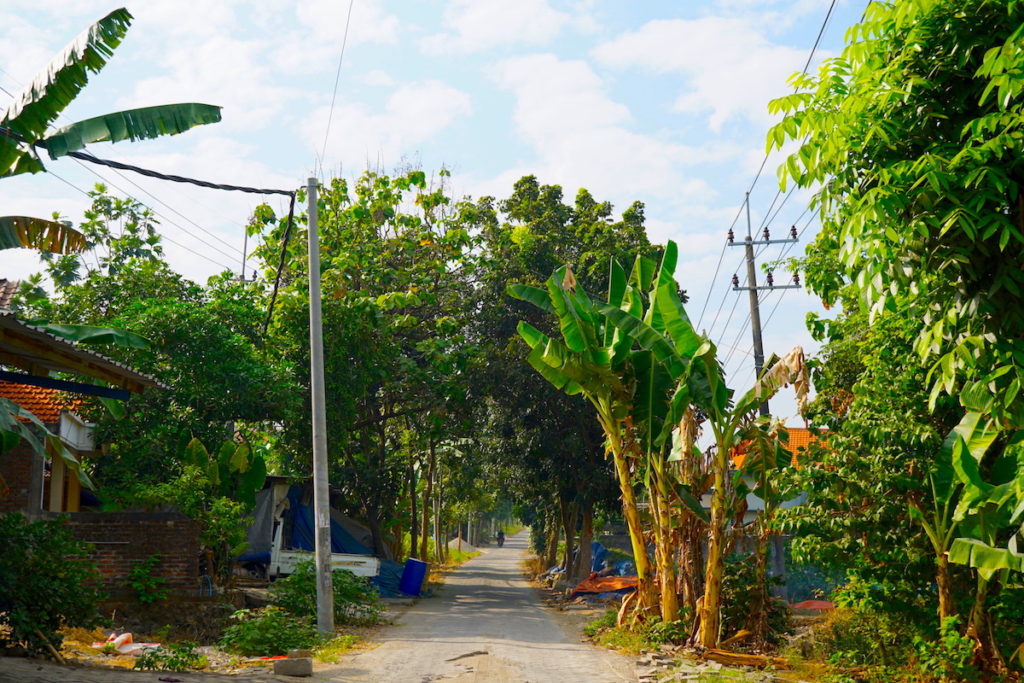
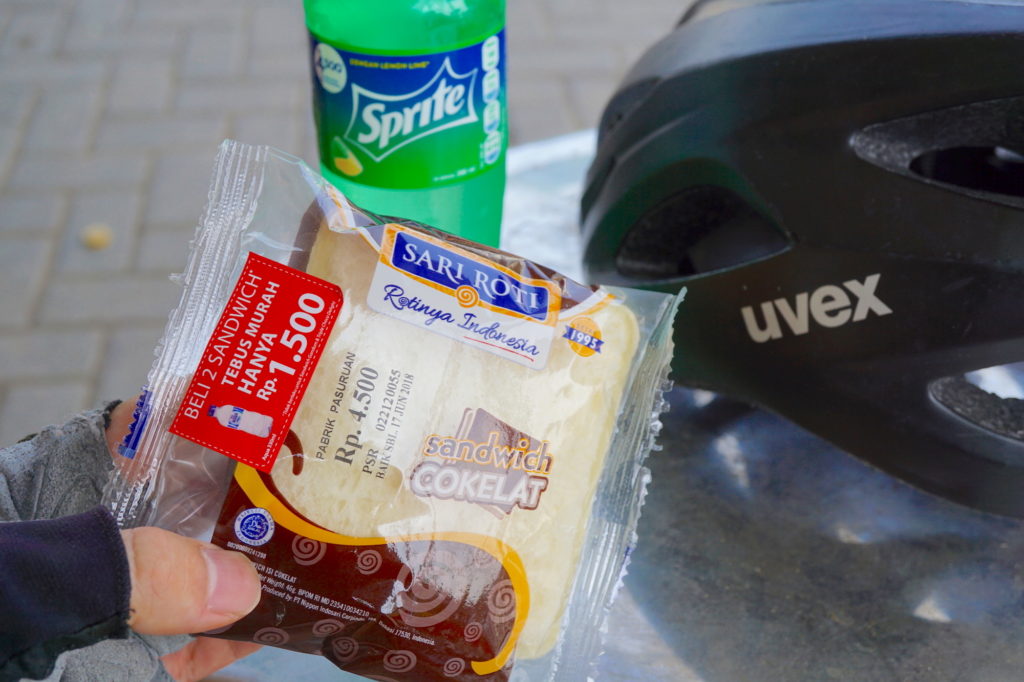
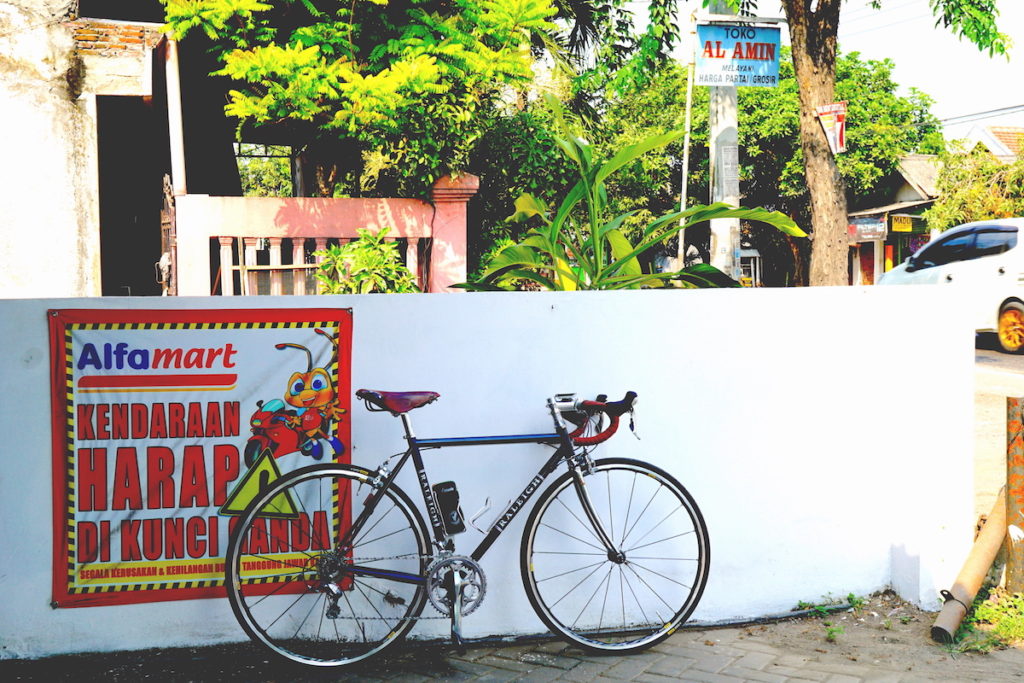
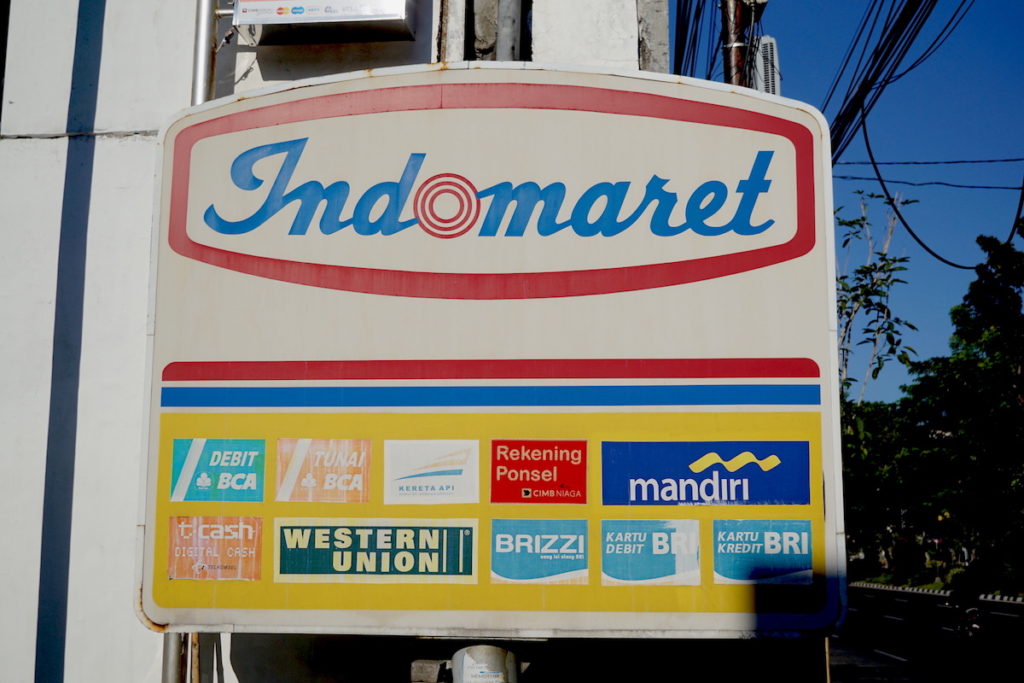
Thanks to the 24-hour convenience stores, namely Alfamart and Indomaret, bottled water and carbonated beverages are within easy reach. The stores are located not only in the city center but also in rural areas where many cyclists pass through.

They usually accept a credit card payment, deal with crisps and have a few small outdoor tables and chairs. Some large stores also have onigiri rice snacks, raw fruits and vegetables. They can literally save your life, when you cycle around Indonesia.
Ramadan Etiquette
Indonesia has an almost entirely tropical climate; the country has only two distinct seasons — dry and wet. The best time for cyclists to visit Indonesia is, of course, the dry season. During the wet season, some roads and trekking routes can be closed for safety reasons.
Except northern Sulawesi, the dry season can coincide with Ramadan, the holiest month in Islamic calendar. Most (though not all) Indonesians hold a day-long fast during the month. And it’s considered disrespectful to eat and drink in public during daylight hours.
While it’s always important to respect others, you need to seriously consider proper rehydration and refueling during your ride. Sure, you can still purchase bottled water and snacks at a convenience store. You should be just careful and considerate only when consuming them before sunset. Many Indonesian muslims will understand your situation, though.
Hoe goed spreek jij Nederlands?
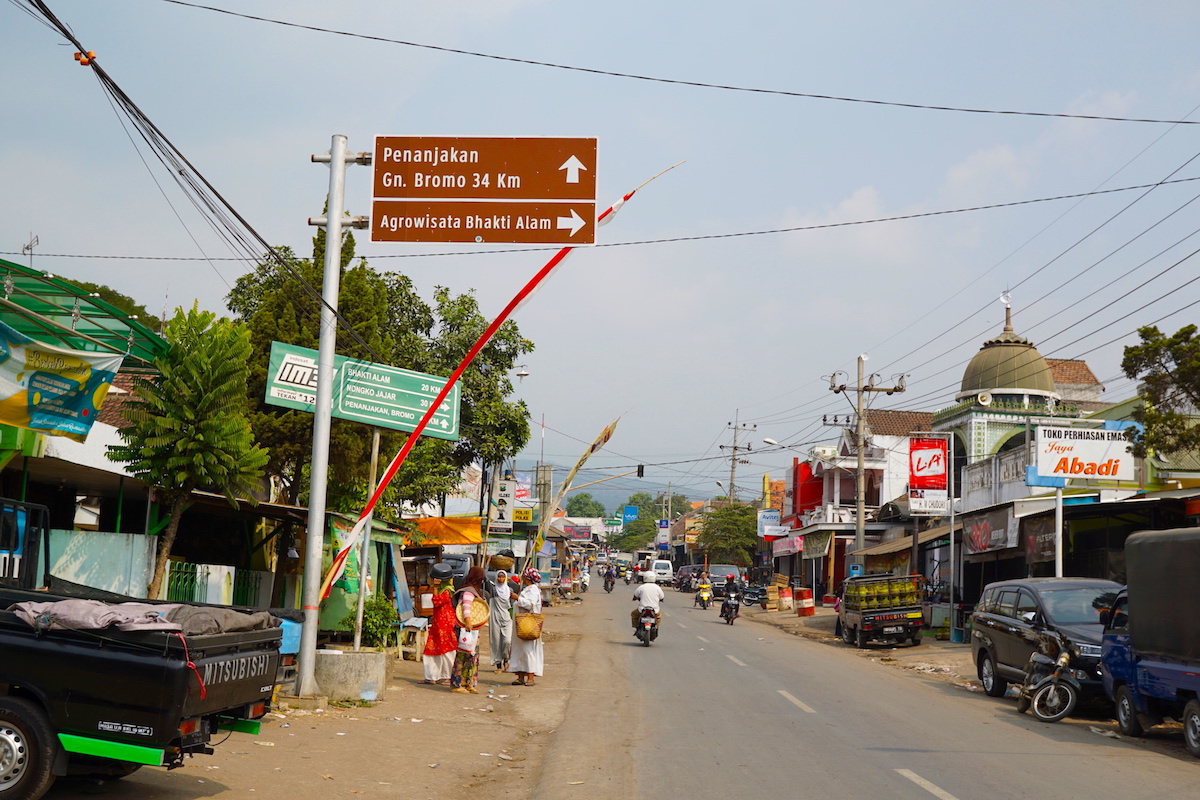
If you are familiar with Germanic languages, you may be able to find the meaning of some Indonesian words. In an Indonesian town, there are at least one apotik, toko buku and halte bus. They correspond to een apotheek (pharmacy), boekwinkel (book store) and bushalte (bus stop) in Dutch. Or Apotheke, Buchladen and Haltestelle in German. Or apotek, boghandel and bus holdeplads in Danish. Because I spent my childhood and adolescent in German-speaking countries, I could instantly understand what they meant and where they came from.
If you’ve been to Holland, it’s also easy to guess toko is an Indonesian word for shops. In the Netherlands, you can find several small Asian shops named toko such and such. Indonesian language has many words that sound similar to their Arabic, Chinese, English and Japanese counterparts as well. The language may sound foreign but it’s worth learning, especially if you are planning your week-long vacation in Indonesia and are familiar with Dutch and other Germanic languages.
It’s simply nice to talk with friendly locals using some Indonesian words and phrases. Removing language barriers will give your confidence a boost to get out of the city area and enjoy the country’s true beauty.
Triple Security Checks Required at the Airport
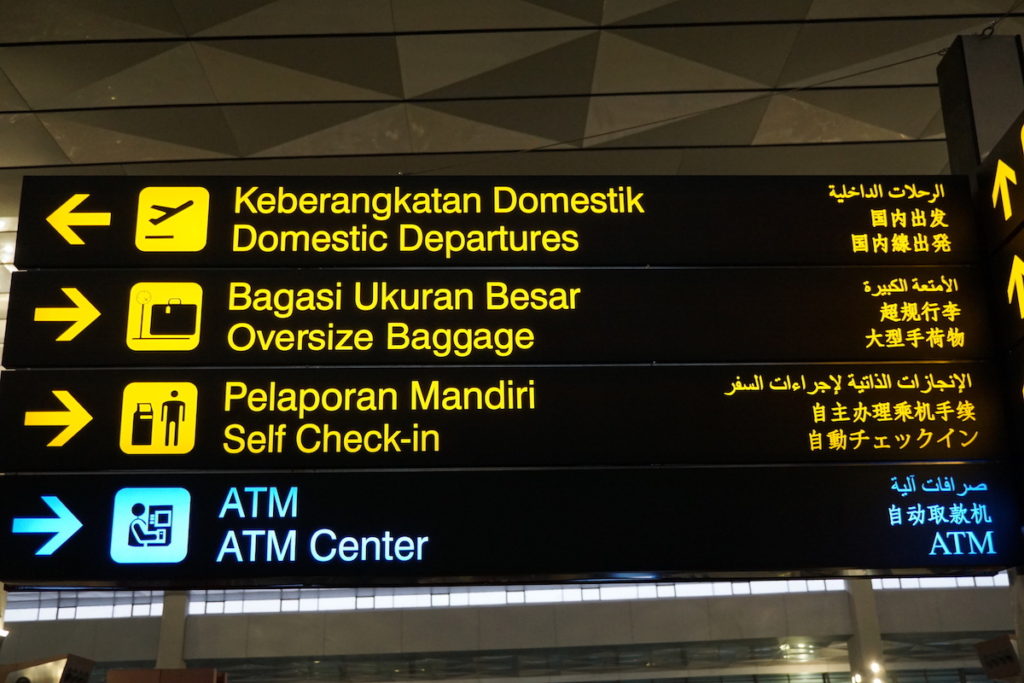
When entering the departure gate at the airport, every passenger is required to go though airport security check. All your bags and belongings are screened and checked. Bike bags and boxes are no exception.
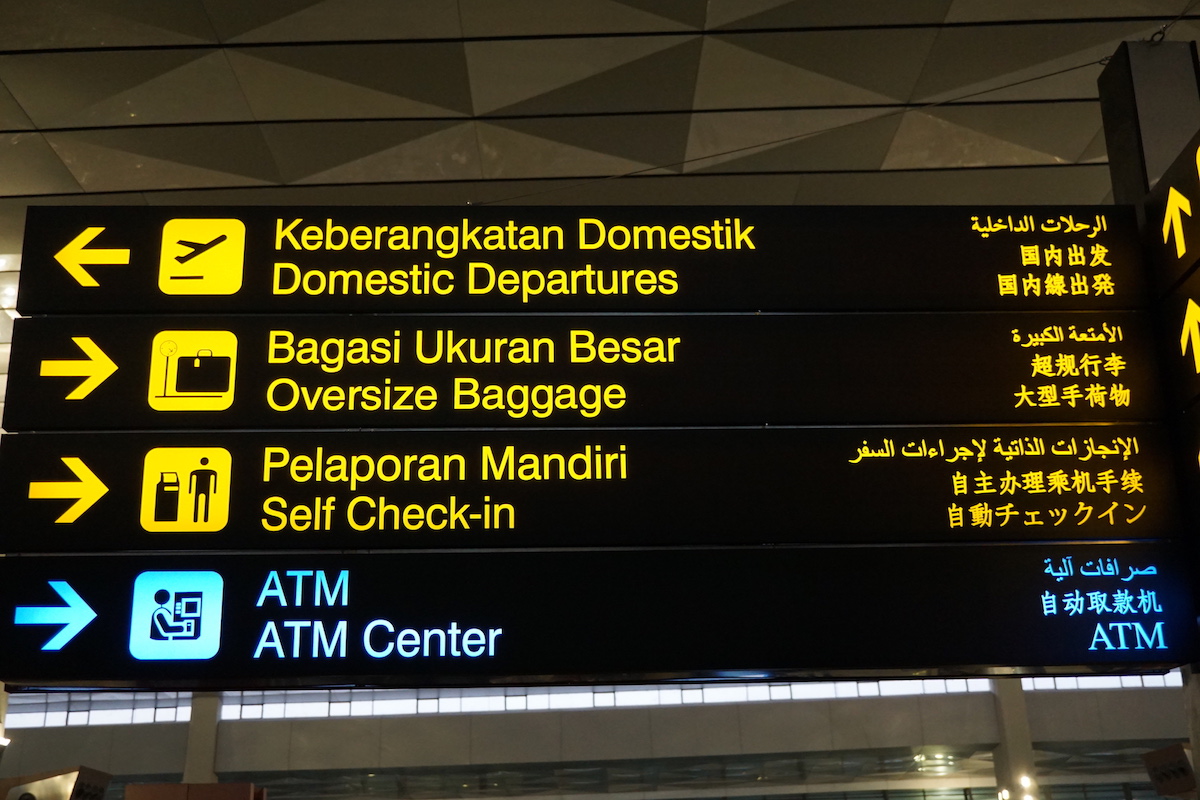
Things are no different at the airports in Indonesia except there’s an additional gate-screening at the airport entrance. In Indonesia, you need to get through the security at least twice, when you enter the airport and when you go to your gate, either you take an international flight or domestic one.
If you fly with your own bike, you also need to go to the oversized baggage drop-off counter. There, once more, you’ll encounter another security screening. In this case, you need to get through three security checks. It’s better not to carry liquids, gels and electrical appliances you aren’t sure when to use with you.
Cyclists’ road-crossing strategies
Last but not the least, you need to learn how to cross the road safely. Even in large Indonesian cities, there’re only a few traffic signals controlling road vehicles and pedestrians. Traffic streams on arterial roads are almost never interrupted. And the traffic streams never decrease no matter how far away from the city you travel (as long as you are on Java).
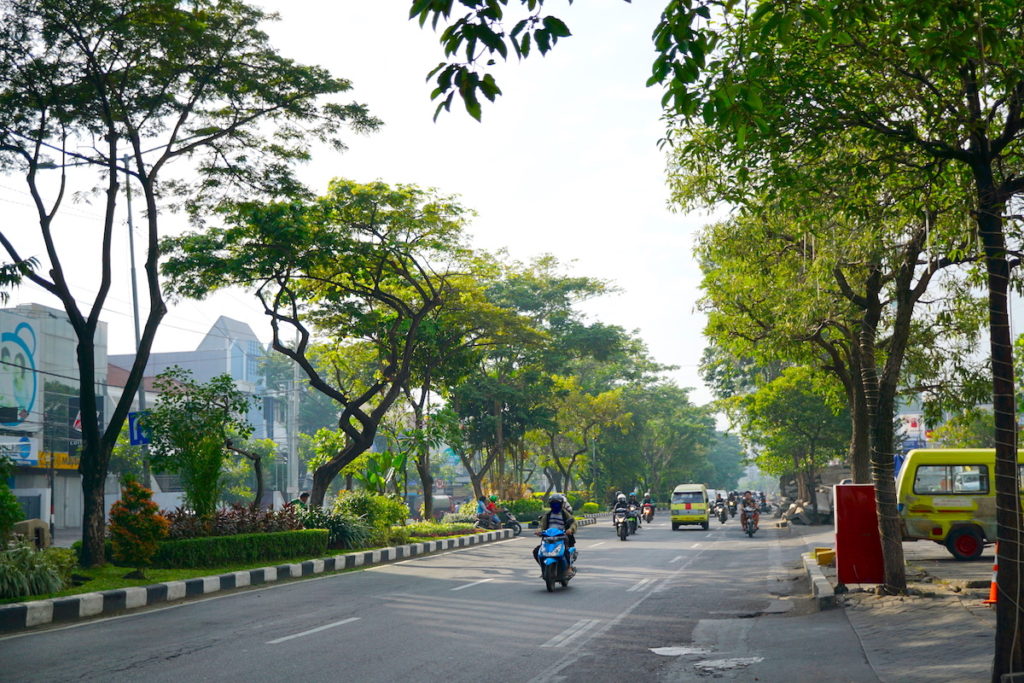
To make matters worse, there’s virtually no distinction between fast and slow lanes, if not, there’s no lane at all. Drivers and motorcyclists drive wrong way from time to time. I can’t stress enough the importance of crossing the road safely.
Finding an “officer” on the road is a good first step. On the Indonesian road, you can sometimes find a person who cuts off traffic to help drivers turn and pedestrians cross the road. Some of those wear a yellow reflecting vest. Some an orange. And some even have a whistle and a red flag. I’m not sure who they really are; some look like police officers and some look like ordinary men with no special training — I’ve never seen women doing the same thing so far. Anyway, he will help you cross the road.
It’s also important to stay away from highway entrances, exits and roundabouts. If you connect local roads and minimize vehicular traffic, you can maximize your safety and satisfaction.
Have a good ride!