Alpine Roads, Fairytale Castle & Uncompleted Dreams

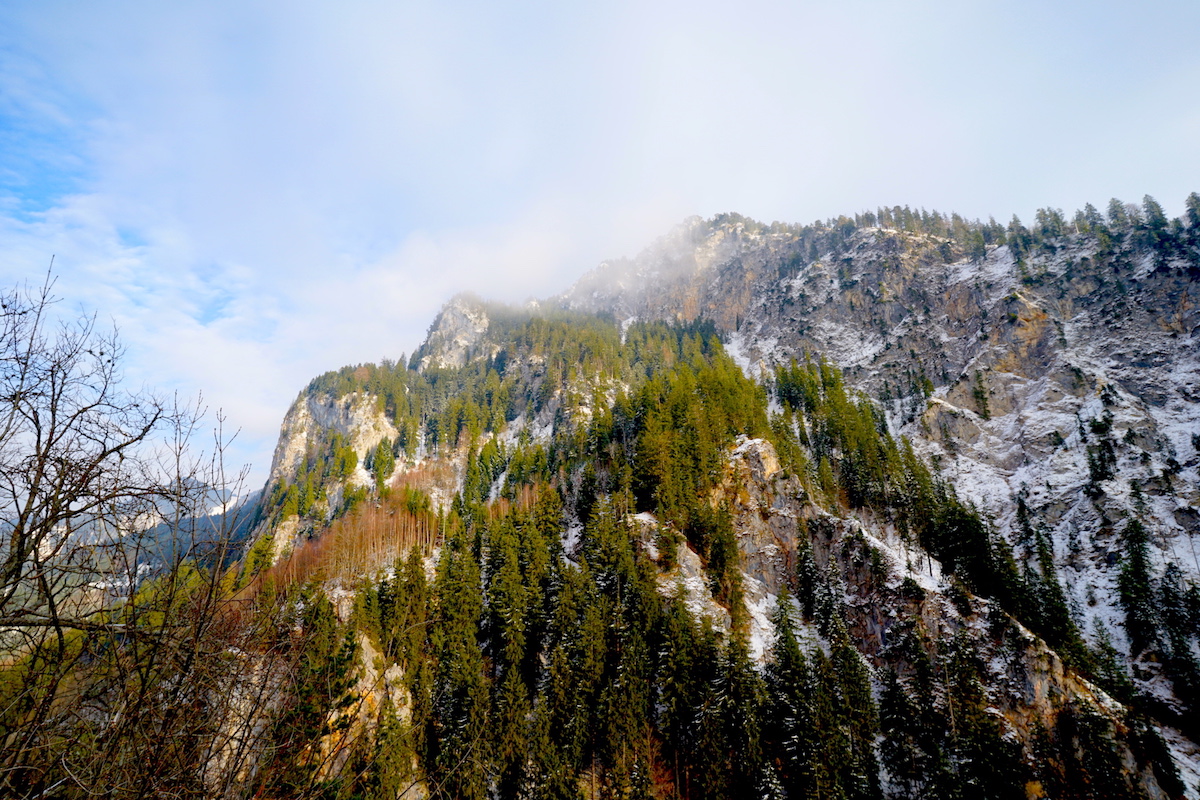
Life sometimes throws you a curveball, sometimes amazes you with the good fortune. While I was looking at the sharp and jagged alpine mountain ranges in Munich, I could not even imagine to get there — so soon.

I was on my three-weeks business trip to Europe. My week days were filled with intense meetings and technical discussions that occasionally got lost in the weeds. I had no plan for a stopover. But Sabi, one of my oldest friend, had one.


“Ever been to Neuschwanstein castle?”

She asked abruptly as I showed up at Augsburg railway station.

“Only seen it on the postcards and calendars,” I shrugged my shoulders. I knew she had made a huge effort to make a time for me. Yet I did not expect such a question.

“Are you interested in going there?” She continued.

“For sure!”

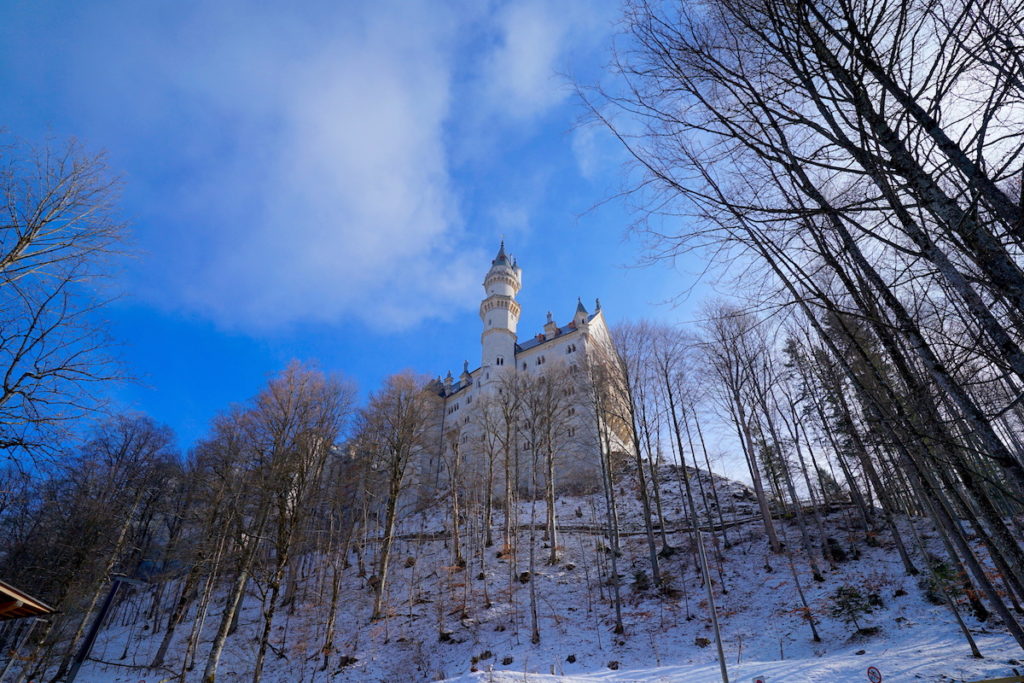
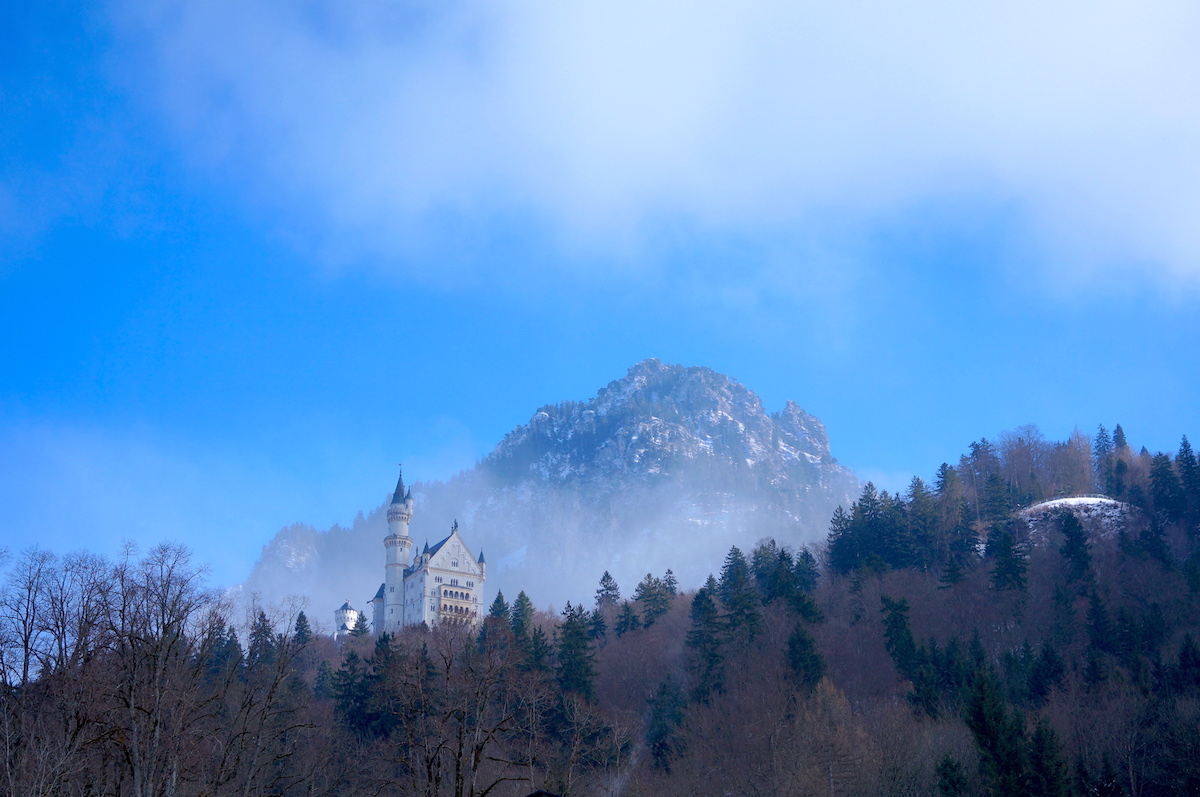
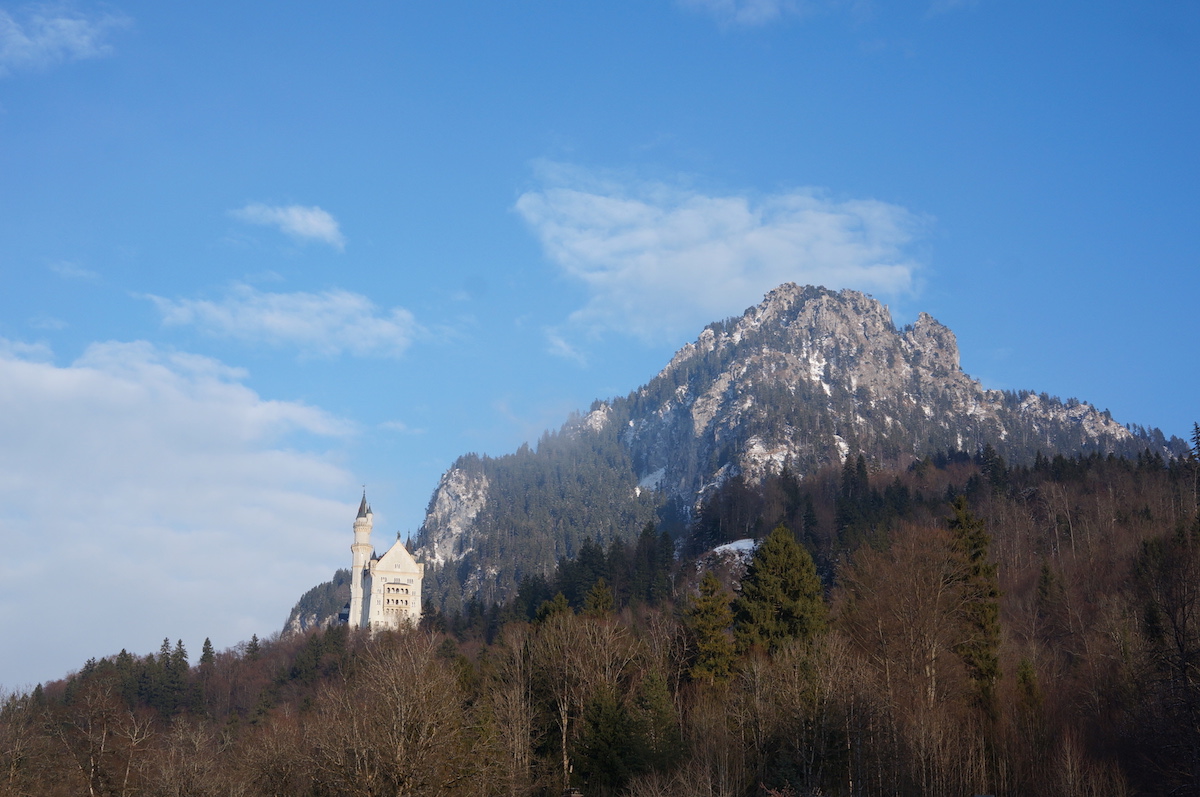
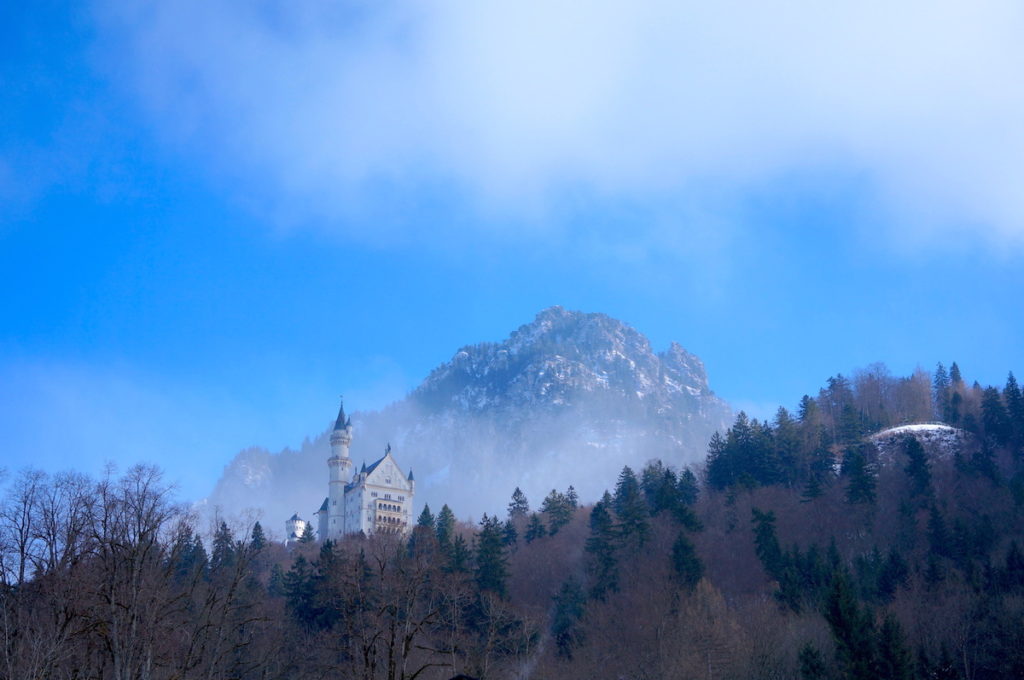
I smiled, but honestly had no idea where exactly the castle was located. It should be somewhere in southern Germany. Well, there is a timing to life. And it was definitely my best chance to visit the beloved fairytale castle.
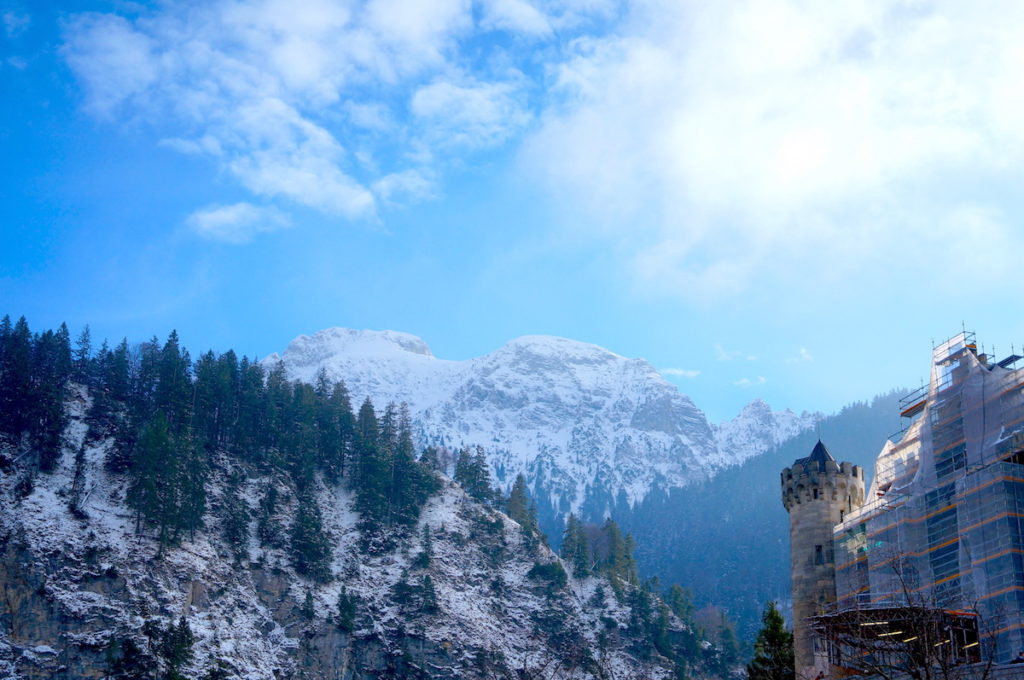
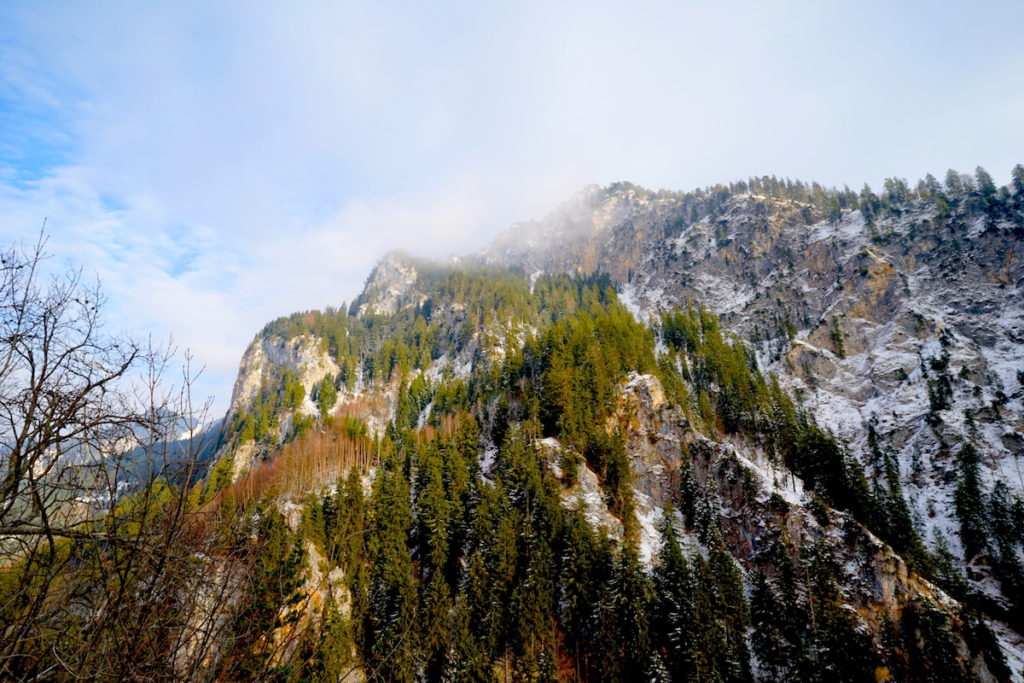
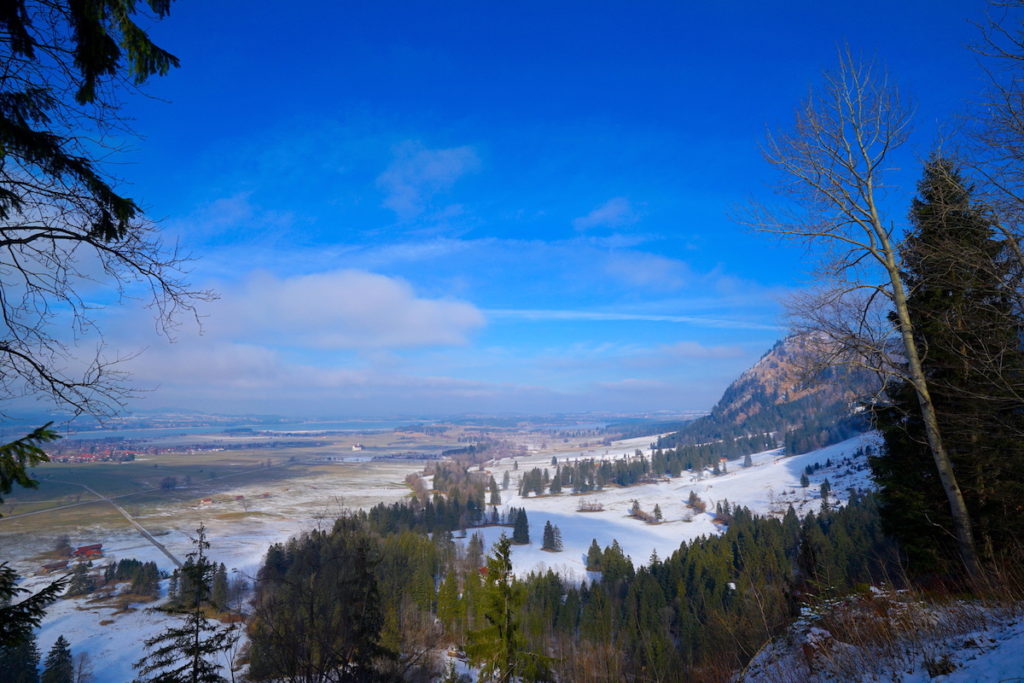
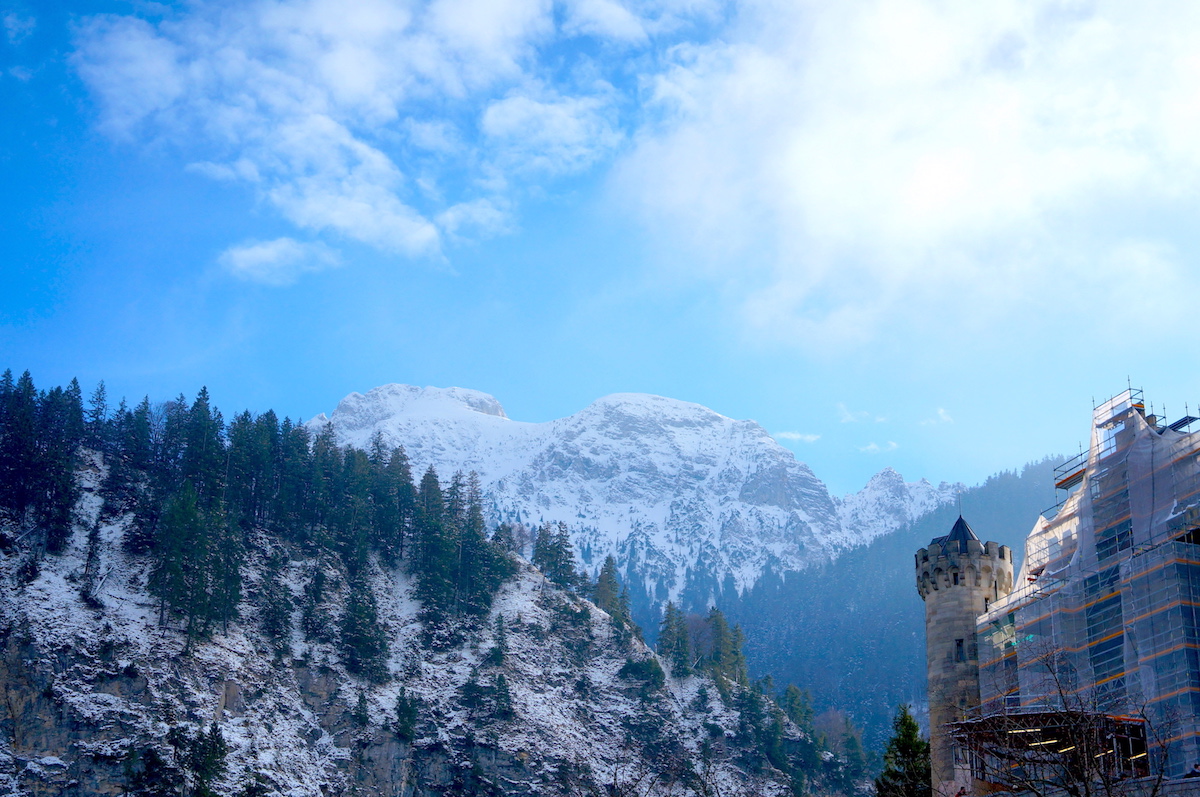
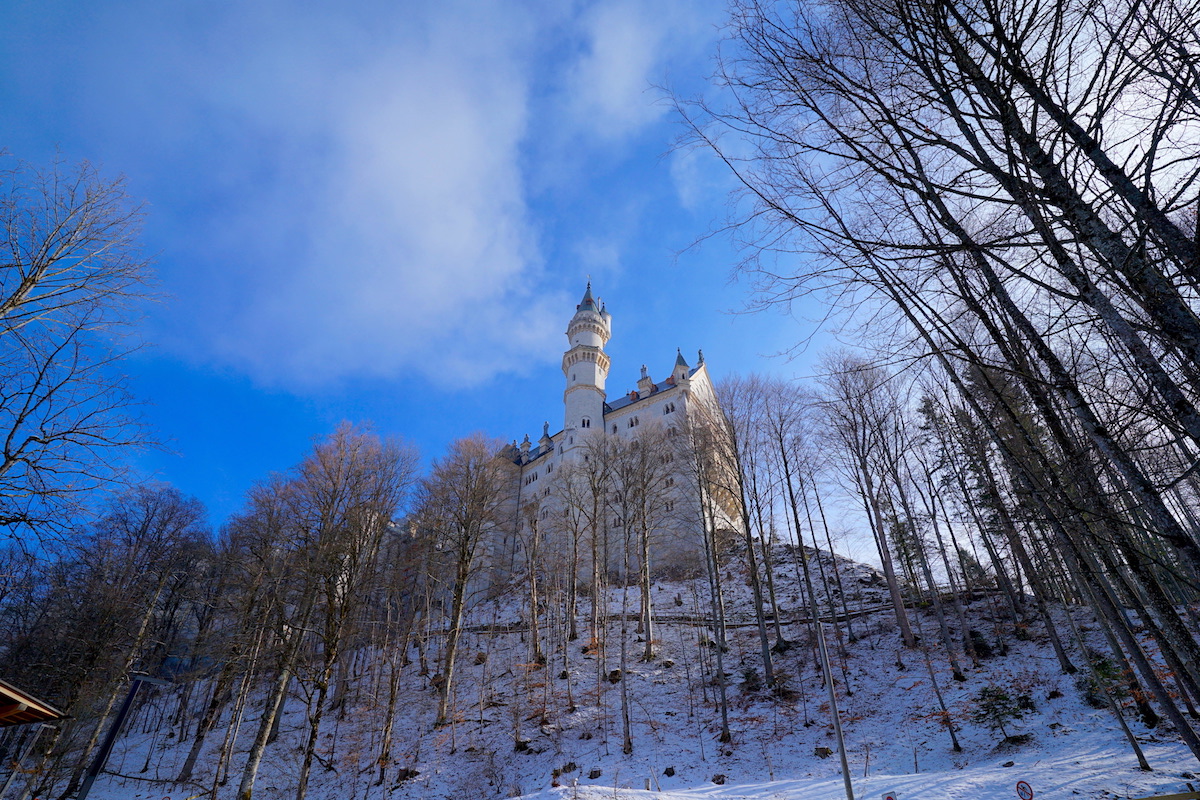
The castle was located about 60 miles away from where we were. So were the Alpine foothills. They had always been within my reach. How nescient I had been! In spite of their geographical closeness, it was still not that easy to access either of them. You need to get a guided tour to visit the Neuschwanstein castle. Otherwise, you cannot go inside. We first had to wait in line for tickets.

“It takes an hour in winter,” Sabi informed.

“And three hours in summer.”

She murmured under her breath while waiting at the ticket center.
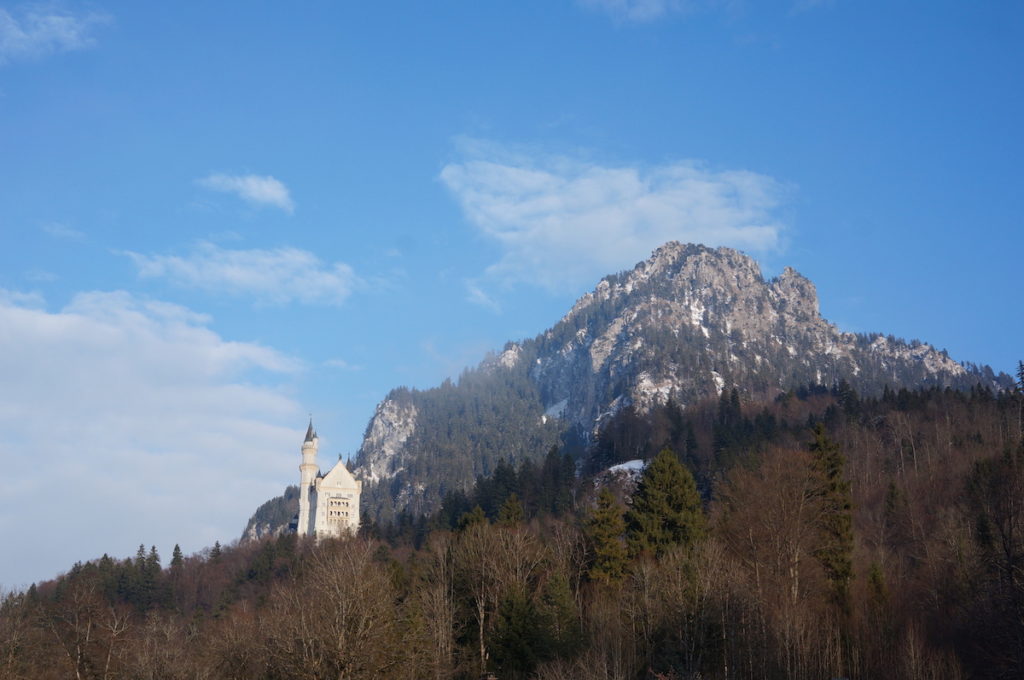
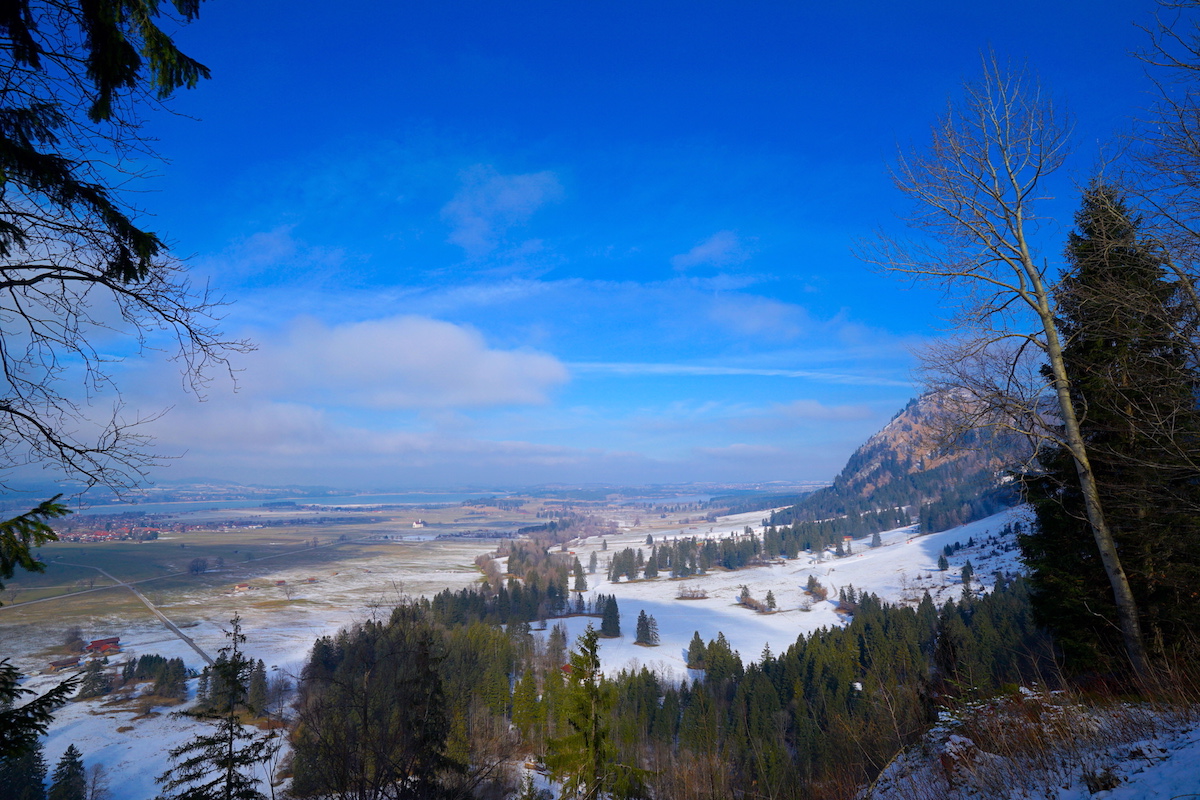
Once we obtained the tickets, we started walking uphill. The roads and walking paths to the hilltop castle were paved but slightly inclined. As we hiked up the hill, we came to sweat and then felt chilly. It was freezing cold and blowy up there.
So etwas wie meine zweite Heimat

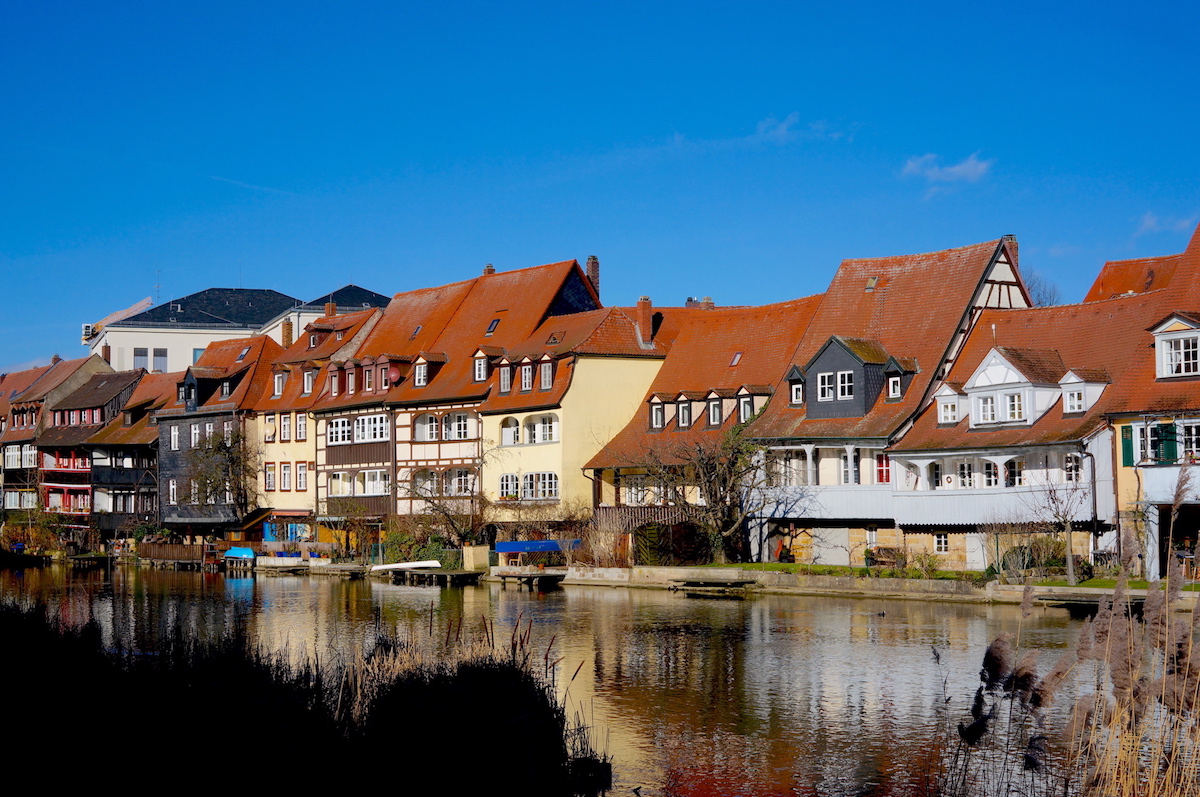
Being born and raised in a family moving around every single year made me so tough that I have honestly never felt homesick for Japan — my own country. I could not develop a taste for seafood, make myself interested in its entertainment and have no age-old friends there. I therefore find it peculiar that I do feel a connection with Franconia. I most certainly am not Franconian. I first came to the Regnitz valley almost 3 years ago. Since then, I have repeatedly visited the region and become familiar with its towns, language, food and festivals.

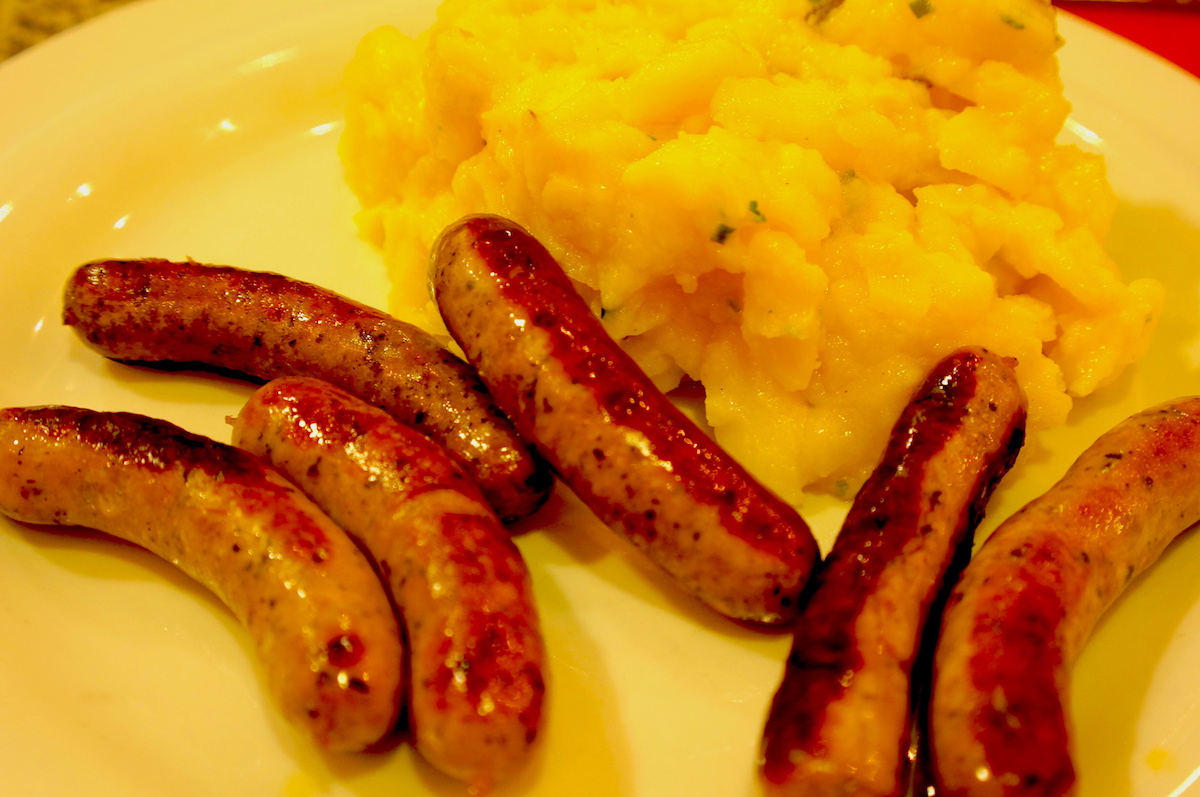
Although the region belongs to the federal state of Bavaria, it has its own unique traditions and cultures and is simply very different from Munich, a modern cosmopolitan city, and the most of other Bavarian regions. You rarely see the Bavarian Rautenflagge, hear Boarische dialects and find Weißwuascht sausages in Franconia. You, however, see the Franconian Rake, hear High Franconian and find grilled sausages and Pils beer everywhere in the region. Moreover, there are a plenty of beautiful medieval towns, rolling green hills and friendly locals that I appreciate the most. Every time I come to Franconia, whether it is Nuremberg or Coburg or Würzburg, I immediately feel at ease.


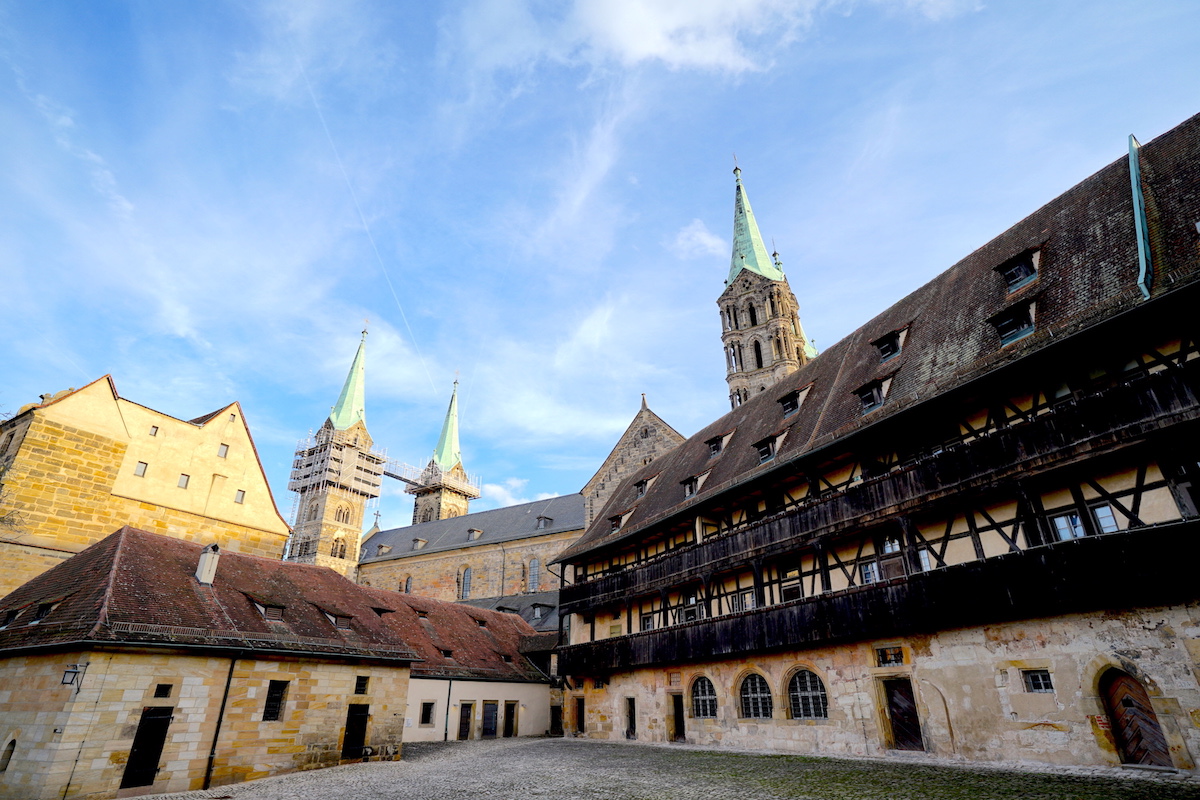
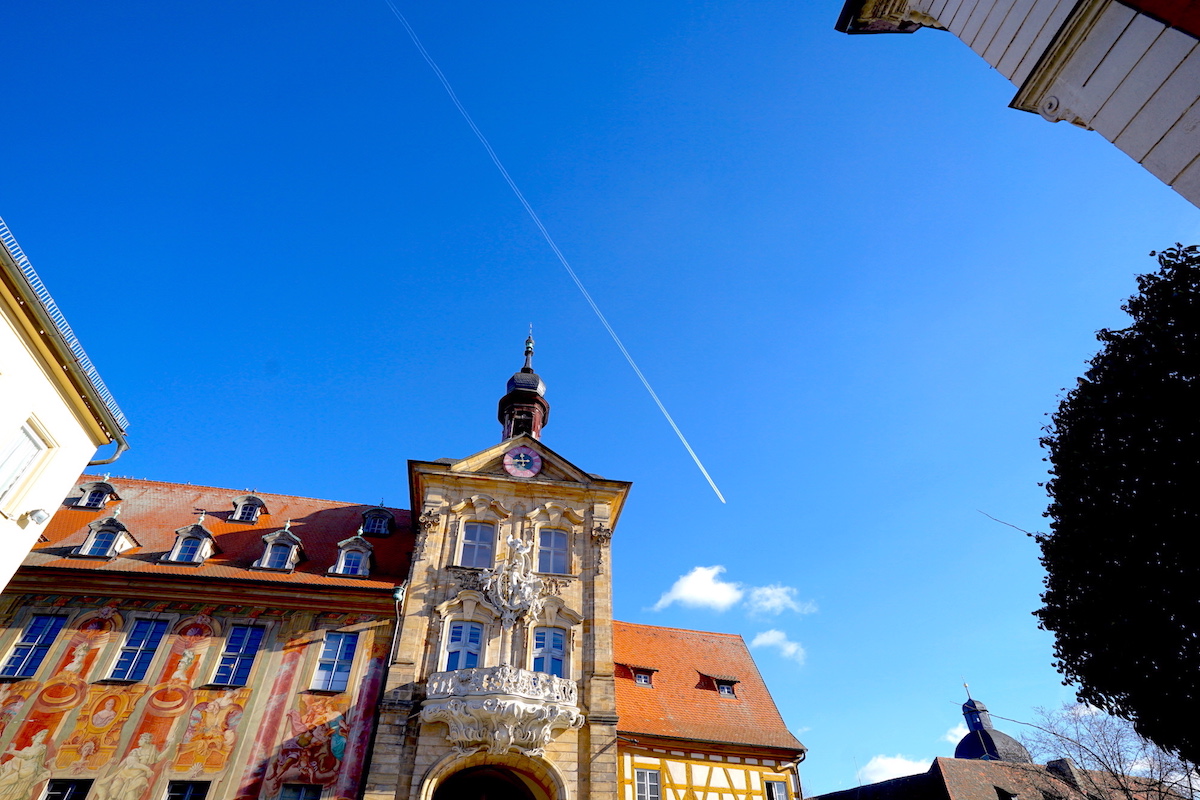
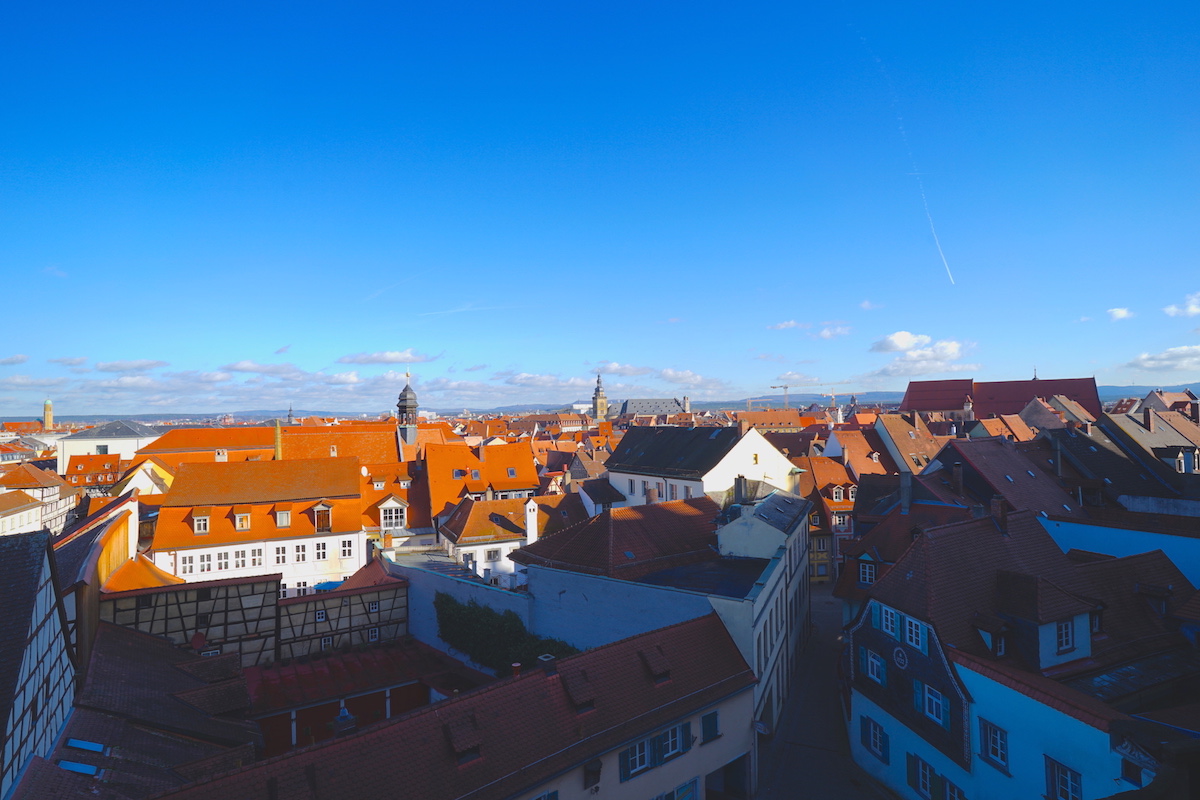
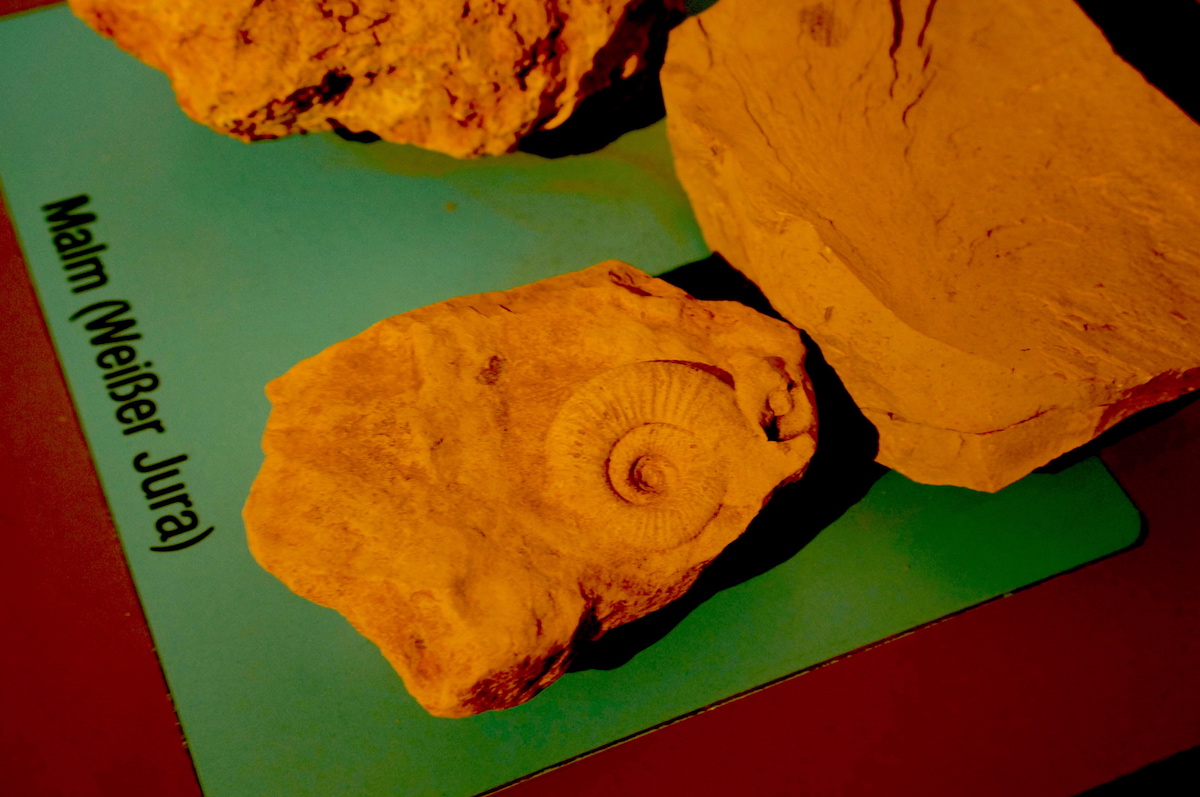
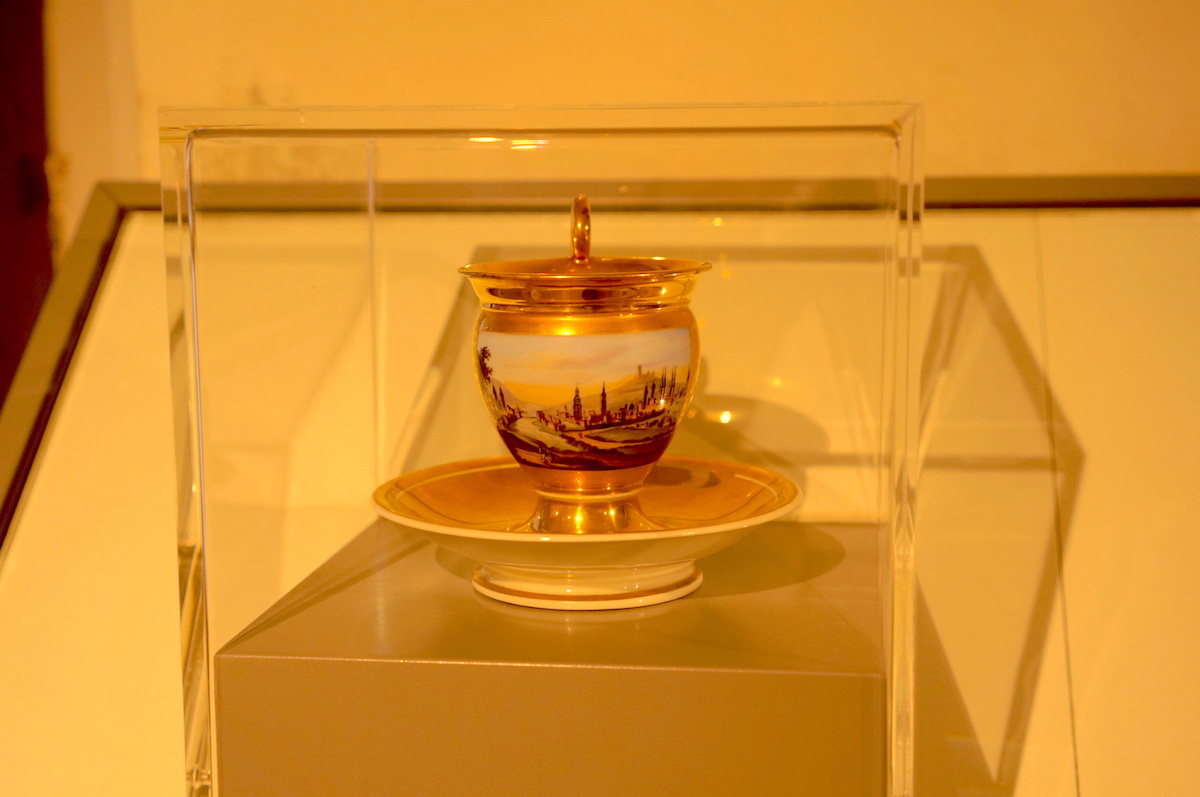
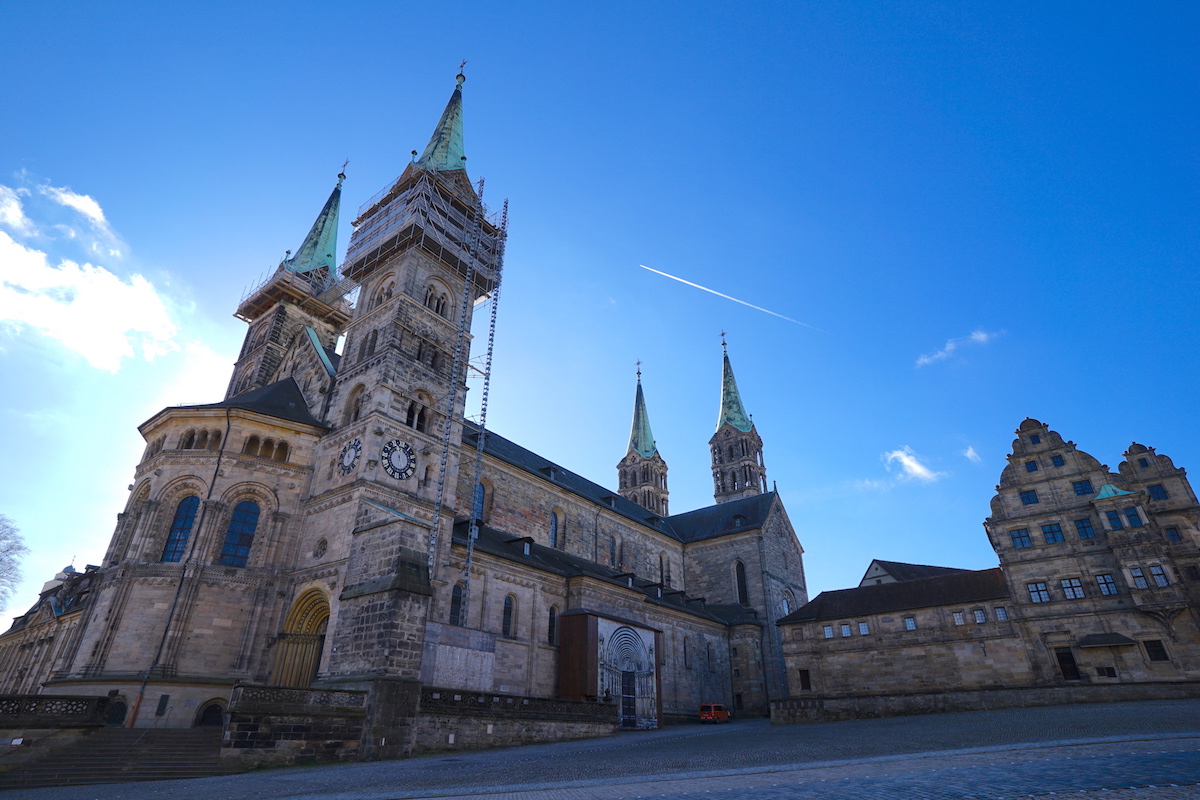
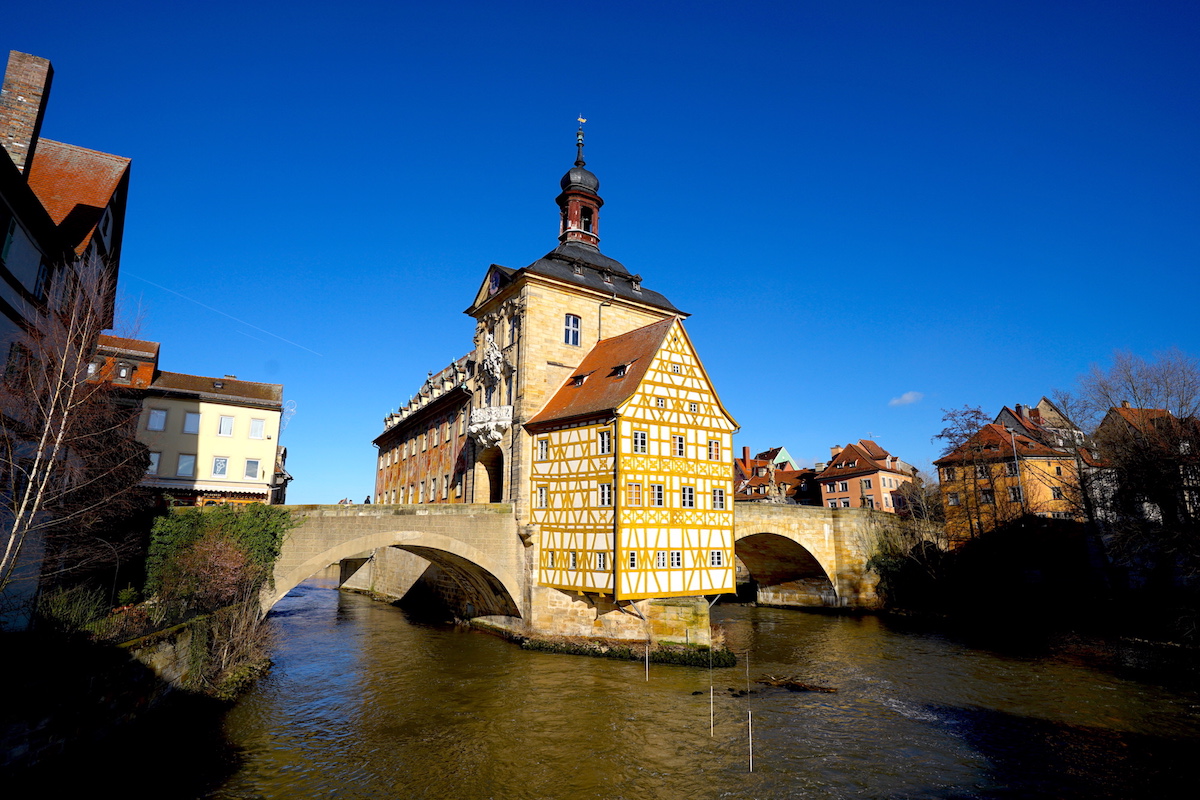
This time I decided to spend most of my free time learning about the history and culture of Bamberg. Thanks to its well-preserved old town and informative museums, it is not hard to know about the past of the city and its surrounding areas — as long as you have a certain level of proficiency in German reading comprehension. The exhibitions provide some but not all information in English. Museum workers talked to me in German as well. I felt as if I had become einer der Teilnehmer an der deutschen Sprachgemeinschaft or a participant of the German-speaking community.

But then followed the most frequently asked question. “Do you live in Germany?” One of the staff inquired. Absolutely not. I looked him in the eyes and answered as polite as I could, “As you may have noticed, I used to live in Germany. I am nothing more than a traveler, though”. The reality came back again. I have always been a traveler. Wherever I go, I find it hard to blend in and behave like others without knowing what they actually do. Ironically enough, I do not have to try hard, while I am visiting here as a traveler. I even have a few decade-old friends from Nuremberg. Although most of those friends have already moved to Augsburg, Munich or elsewhere, I always enjoy staying in Franconia.


New Friends in A New City

When I was looking for short weekend escape ideas from Bavaria, I got invited by Vane and Mert to their hometown ; Stuttgart, the capital city of Baden-Württemberg.

The city was just 2 1/4 hours away from Munich. And I had never been there. There was no reason to decline.

I left the Bavarian capital early Saturday morning, was greatly impressed by Swabian mountains and taken by surprise when I arrived at the principal railway station in Stuttgart.

For years, I believed that it was one of the largest and richest cities in Germany, i.e. it was densely populated, had high concentration of the latest technology industry, and was filled with towering skyscapers and high-rise buildings — just like Frankfurt.

To my astonishment, it was very different from Germany’s financial center. Despite its economic significance, noticeable immigrant population, and international reputation for being the cradle of the automobile, the Swabian metropolis was nothing but a cozy, medium-sized city with a small town feel.


The city center can be reachable on foot from Stuttgart central station. Many museums and popular tourist attractions are located around the palace square. And you can find virtually everything you need on the Königstraße. The only exception is famous automobile museums which are located in outer city districts.


During my weekend trip, I stayed downtown and visited the Museum of Modern & Contemporary Art, Old Castle / Regional History Museum and large state park. While those museums show how the city was founded, has been flourished and transformed, the park provides a green space for rest, play and photoshoot.


And I also enjoyed local specialities in the evening. Pan-fried tender steak with onions and local wine. They are known as “schwäbischer Zwiebelrostbraten” and “Fellbacher Lämmler” and available at a traditional Swabian restaurant or “Weinstube”, German wine tavern.


After a day of exploring the city, I went to lunch with my newly-met friends!