So etwas wie meine zweite Heimat

Being born and raised in a family moving around every single year made me so tough that I have honestly never felt homesick for Japan — my own country. I could not develop a taste for seafood, make myself interested in its entertainment and have no age-old friends there. I therefore find it peculiar that I do feel a connection with Franconia. I most certainly am not Franconian. I first came to the Regnitz valley almost 3 years ago. Since then, I have repeatedly visited the region and become familiar with its towns, language, food and festivals.

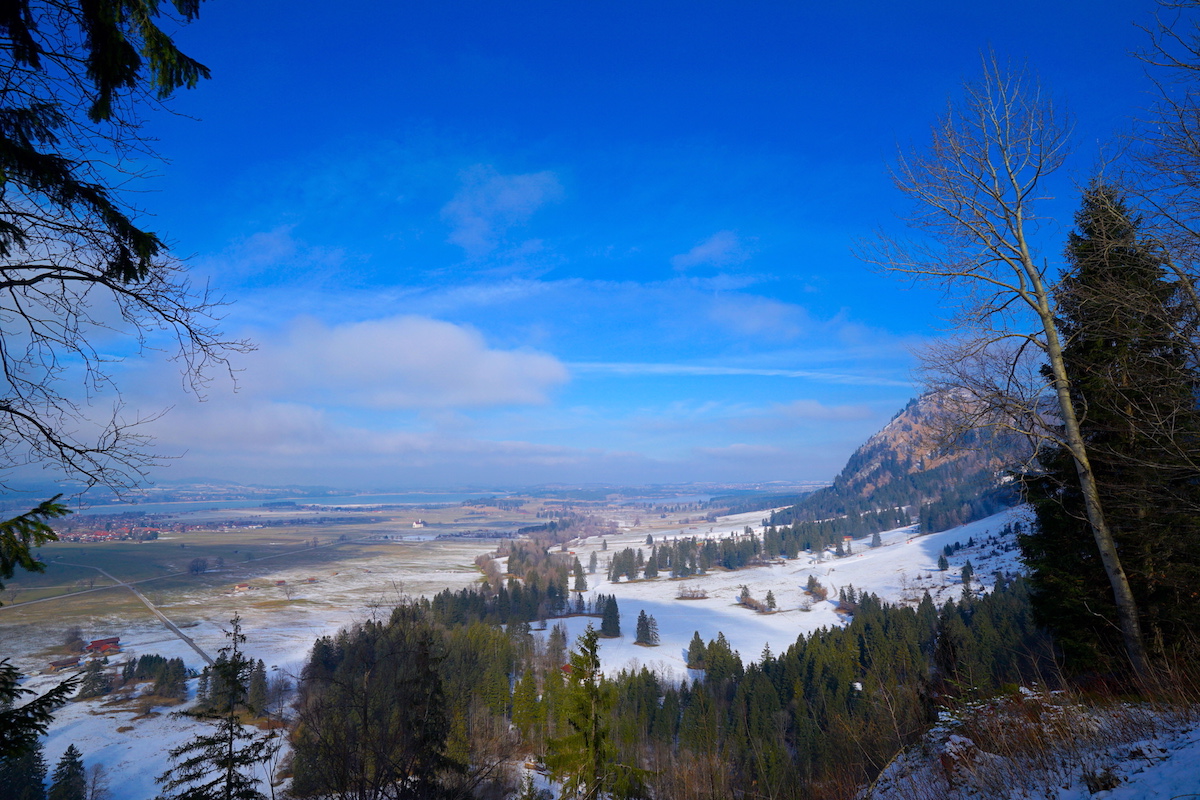
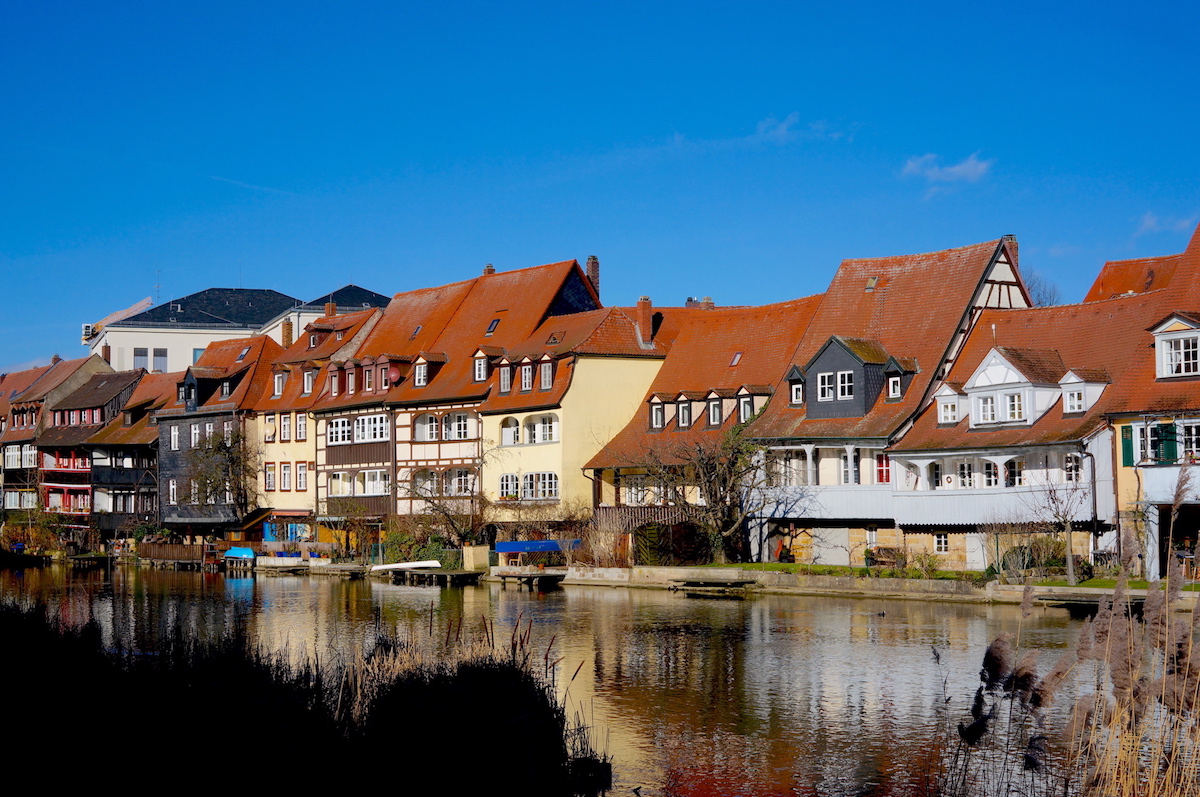
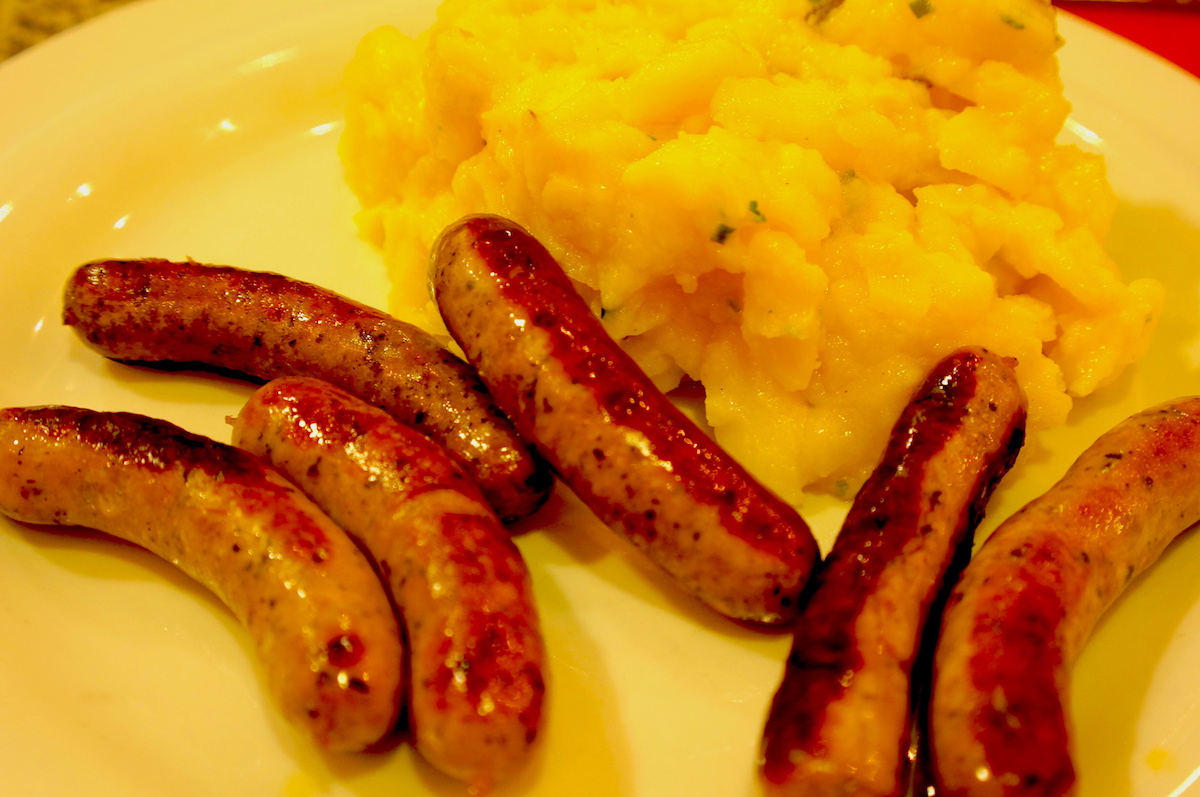
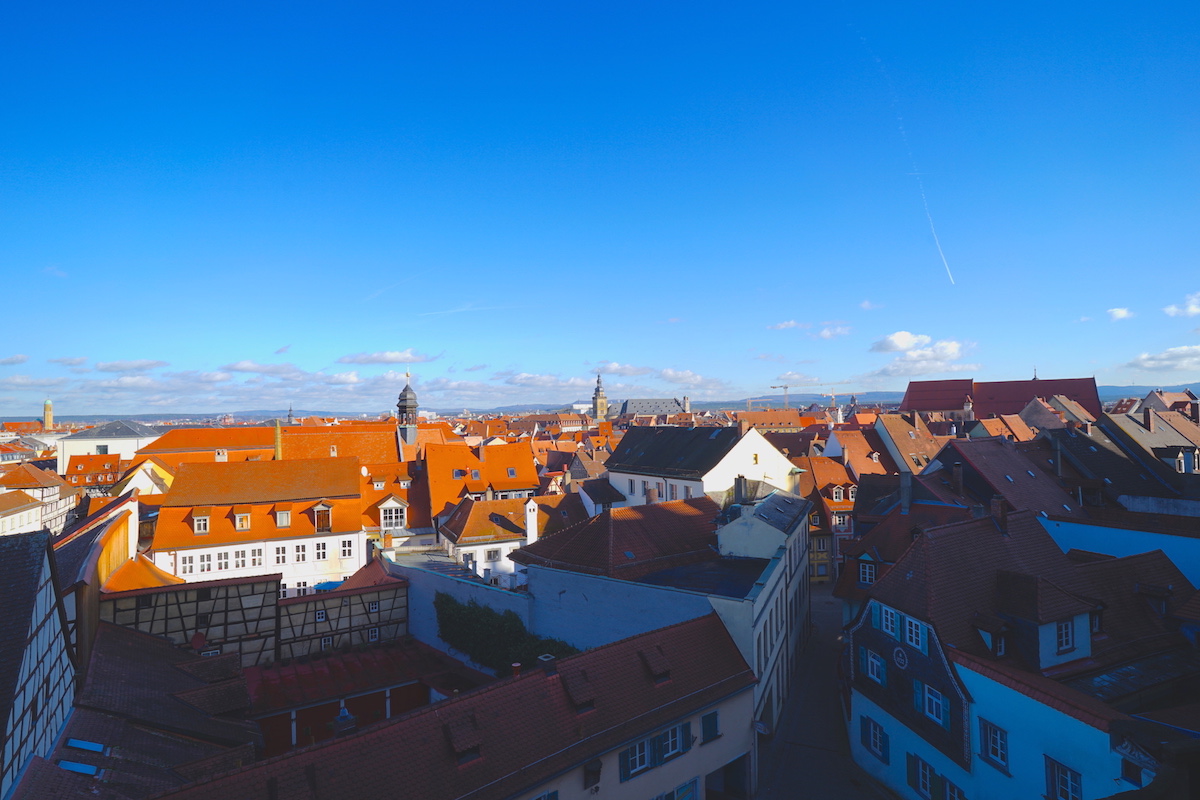
Although the region belongs to the federal state of Bavaria, it has its own unique traditions and cultures and is simply very different from Munich, a modern cosmopolitan city, and the most of other Bavarian regions. You rarely see the Bavarian Rautenflagge, hear Boarische dialects and find Weißwuascht sausages in Franconia. You, however, see the Franconian Rake, hear High Franconian and find grilled sausages and Pils beer everywhere in the region. Moreover, there are a plenty of beautiful medieval towns, rolling green hills and friendly locals that I appreciate the most. Every time I come to Franconia, whether it is Nuremberg or Coburg or Würzburg, I immediately feel at ease.


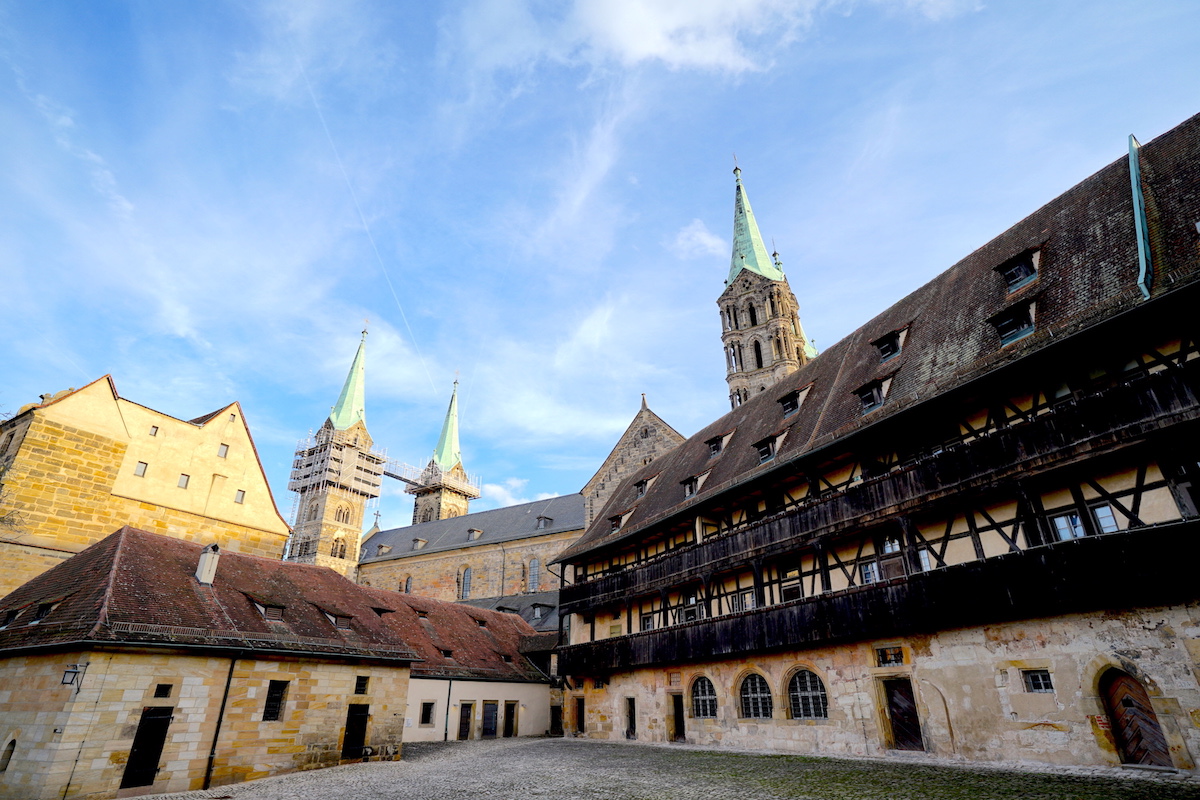
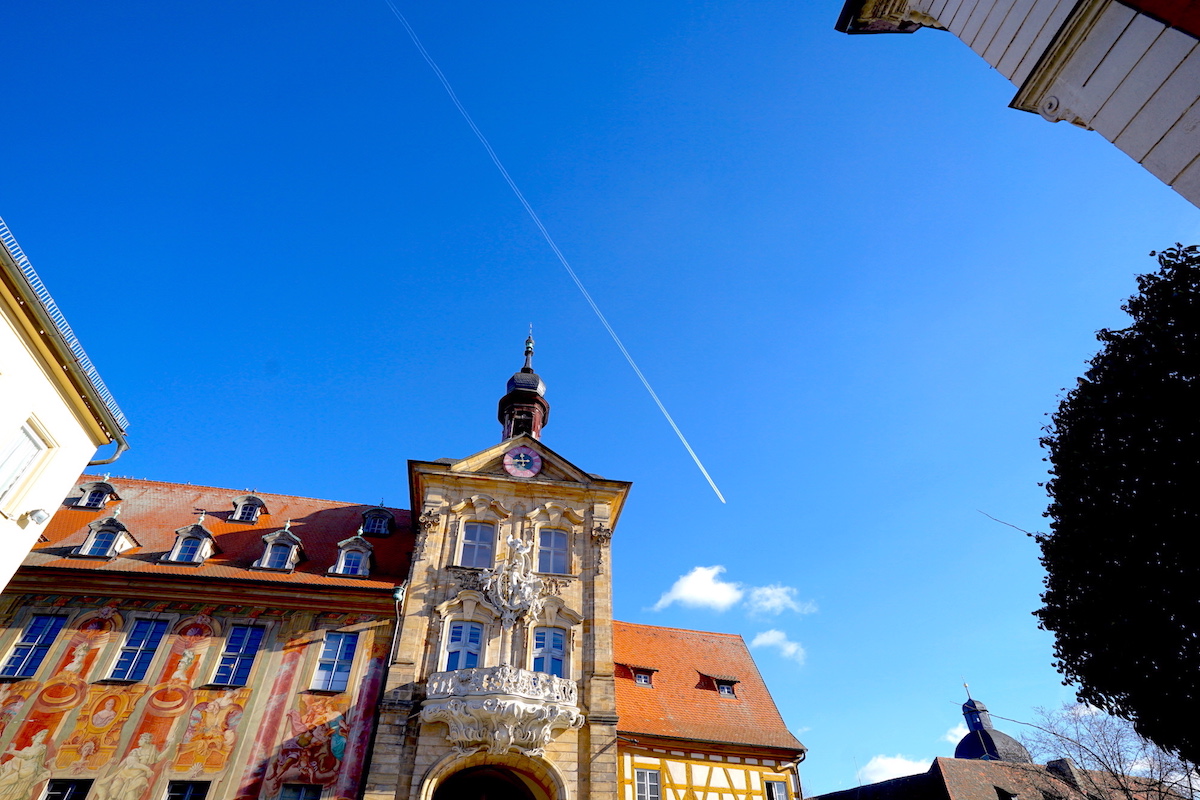
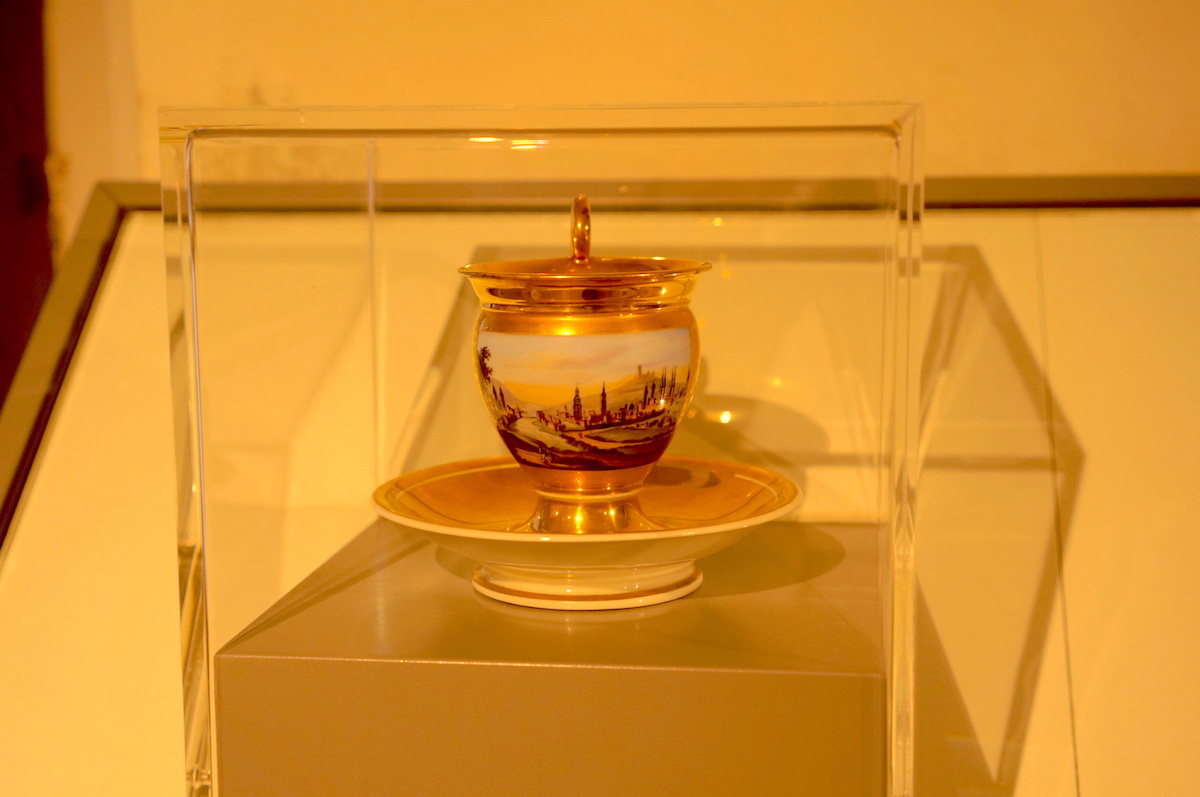
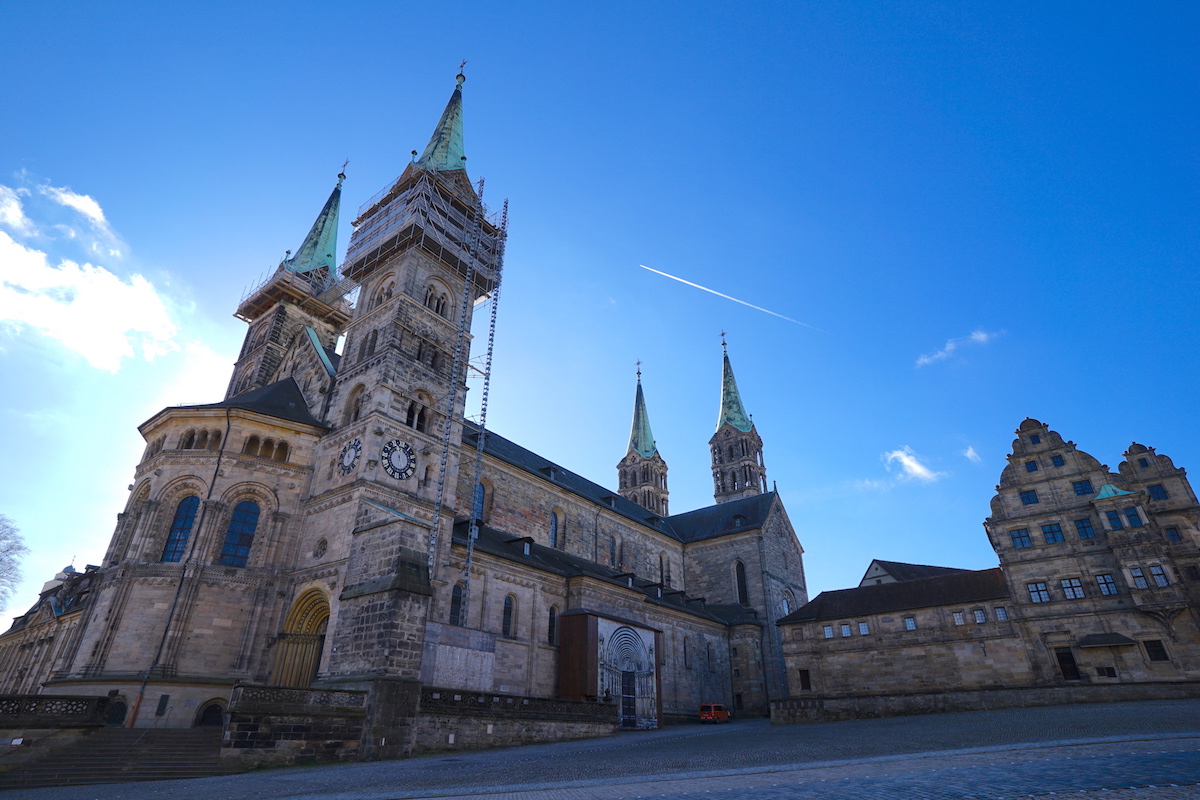
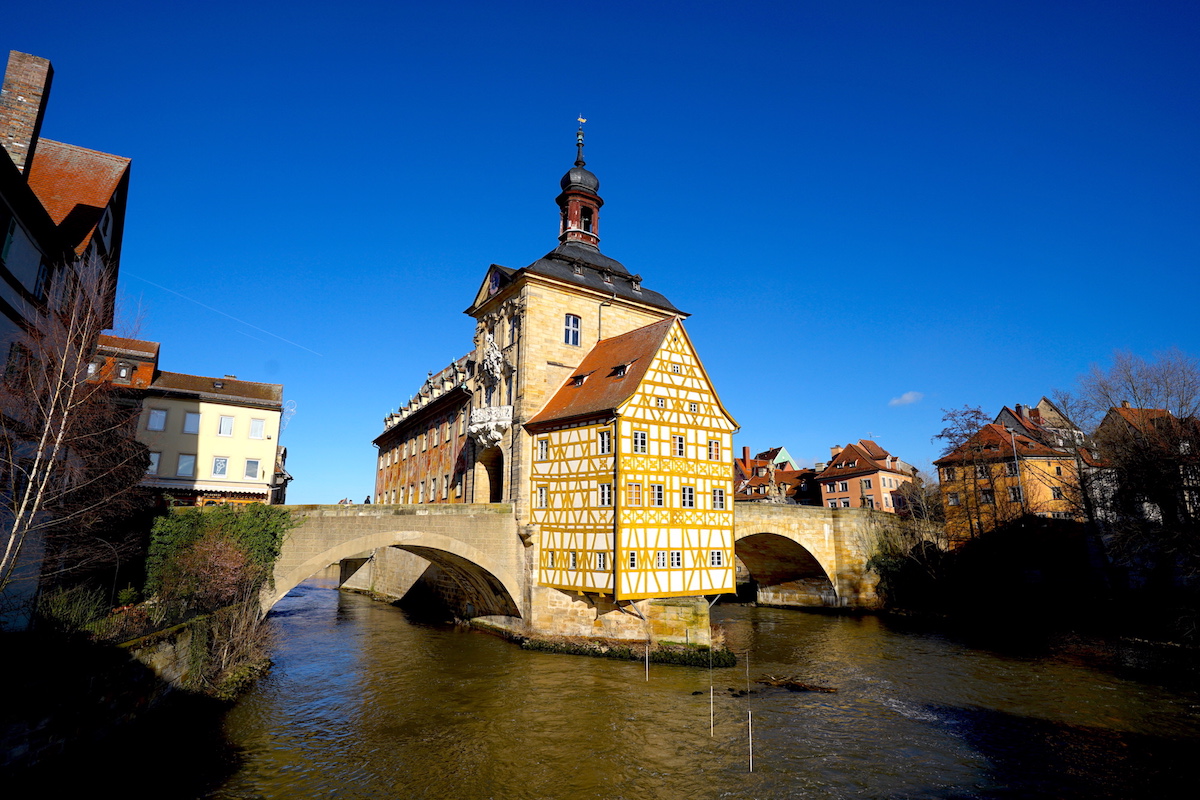
This time I decided to spend most of my free time learning about the history and culture of Bamberg. Thanks to its well-preserved old town and informative museums, it is not hard to know about the past of the city and its surrounding areas — as long as you have a certain level of proficiency in German reading comprehension. The exhibitions provide some but not all information in English. Museum workers talked to me in German as well. I felt as if I had become einer der Teilnehmer an der deutschen Sprachgemeinschaft or a participant of the German-speaking community.

But then followed the most frequently asked question. “Do you live in Germany?” One of the staff inquired. Absolutely not. I looked him in the eyes and answered as polite as I could, “As you may have noticed, I used to live in Germany. I am nothing more than a traveler, though”. The reality came back again. I have always been a traveler. Wherever I go, I find it hard to blend in and behave like others without knowing what they actually do. Ironically enough, I do not have to try hard, while I am visiting here as a traveler. I even have a few decade-old friends from Nuremberg. Although most of those friends have already moved to Augsburg, Munich or elsewhere, I always enjoy staying in Franconia.


New Friends in A New City

When I was looking for short weekend escape ideas from Bavaria, I got invited by Vane and Mert to their hometown ; Stuttgart, the capital city of Baden-Württemberg.

The city was just 2 1/4 hours away from Munich. And I had never been there. There was no reason to decline.

I left the Bavarian capital early Saturday morning, was greatly impressed by Swabian mountains and taken by surprise when I arrived at the principal railway station in Stuttgart.

For years, I believed that it was one of the largest and richest cities in Germany, i.e. it was densely populated, had high concentration of the latest technology industry, and was filled with towering skyscapers and high-rise buildings — just like Frankfurt.

To my astonishment, it was very different from Germany’s financial center. Despite its economic significance, noticeable immigrant population, and international reputation for being the cradle of the automobile, the Swabian metropolis was nothing but a cozy, medium-sized city with a small town feel.


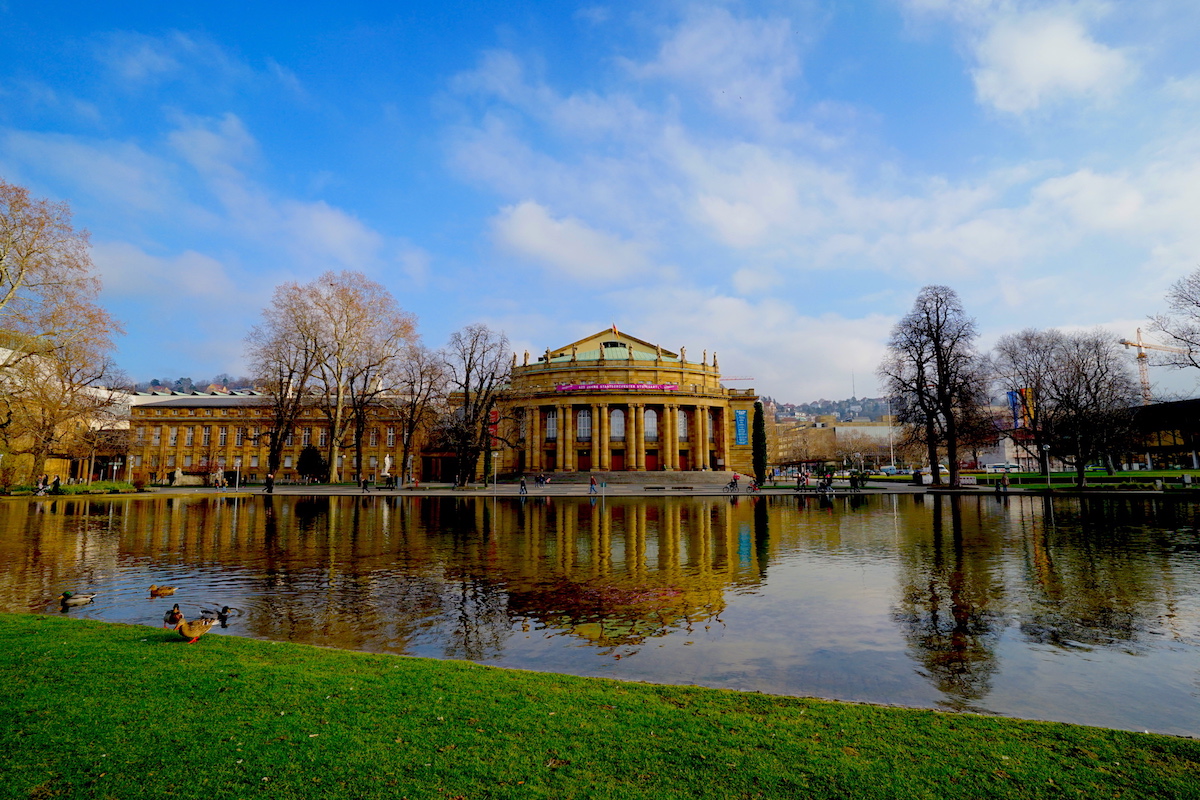
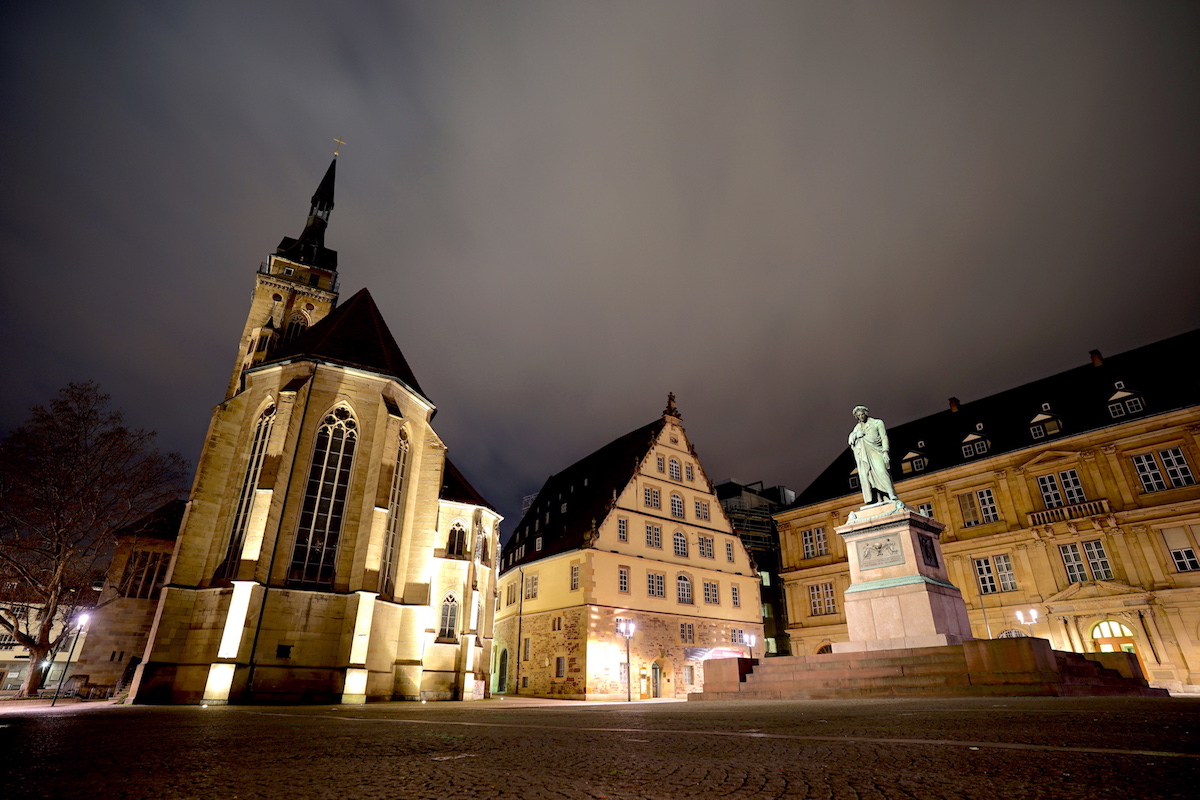
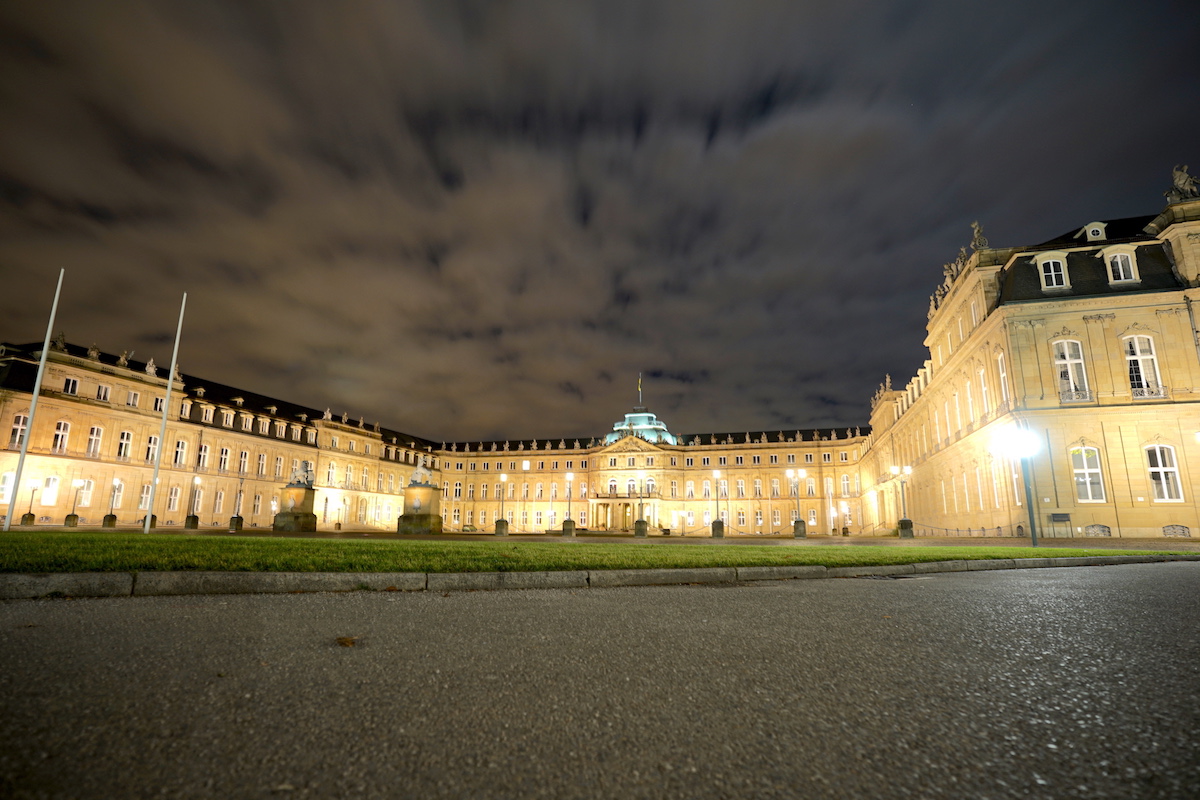
The city center can be reachable on foot from Stuttgart central station. Many museums and popular tourist attractions are located around the palace square. And you can find virtually everything you need on the Königstraße. The only exception is famous automobile museums which are located in outer city districts.


During my weekend trip, I stayed downtown and visited the Museum of Modern & Contemporary Art, Old Castle / Regional History Museum and large state park. While those museums show how the city was founded, has been flourished and transformed, the park provides a green space for rest, play and photoshoot.


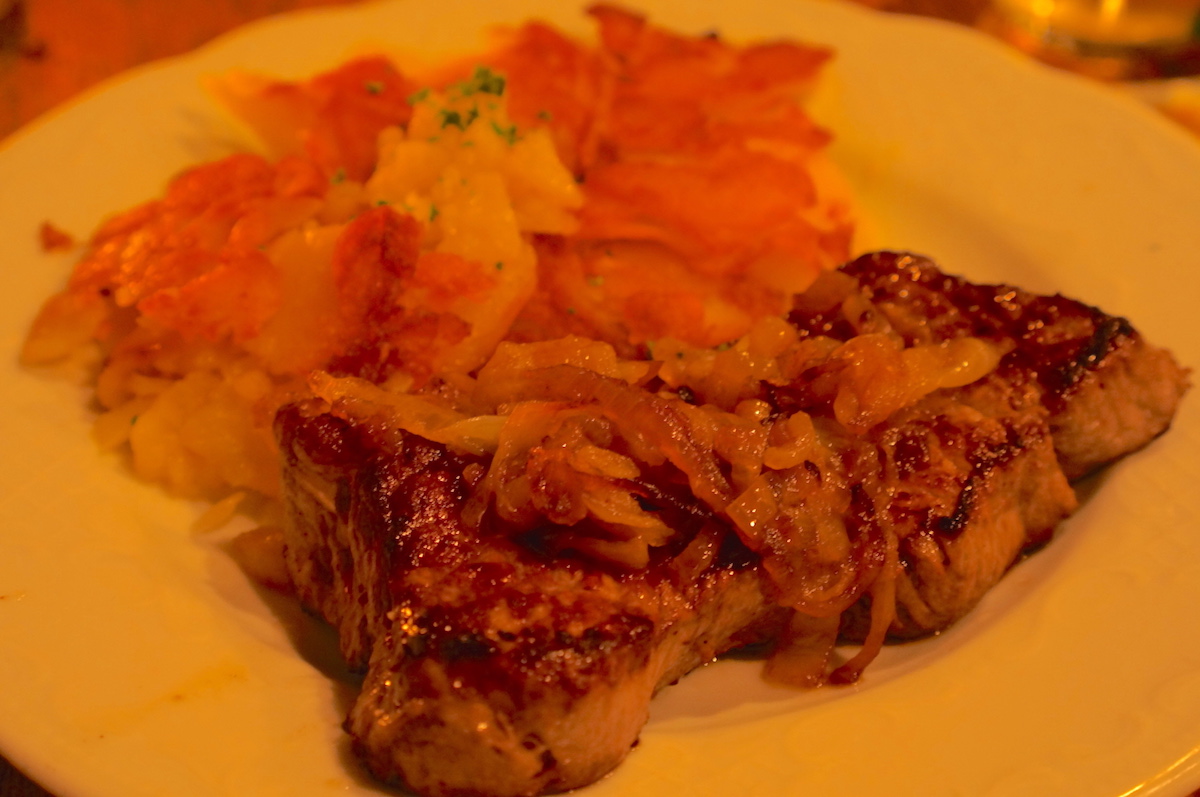
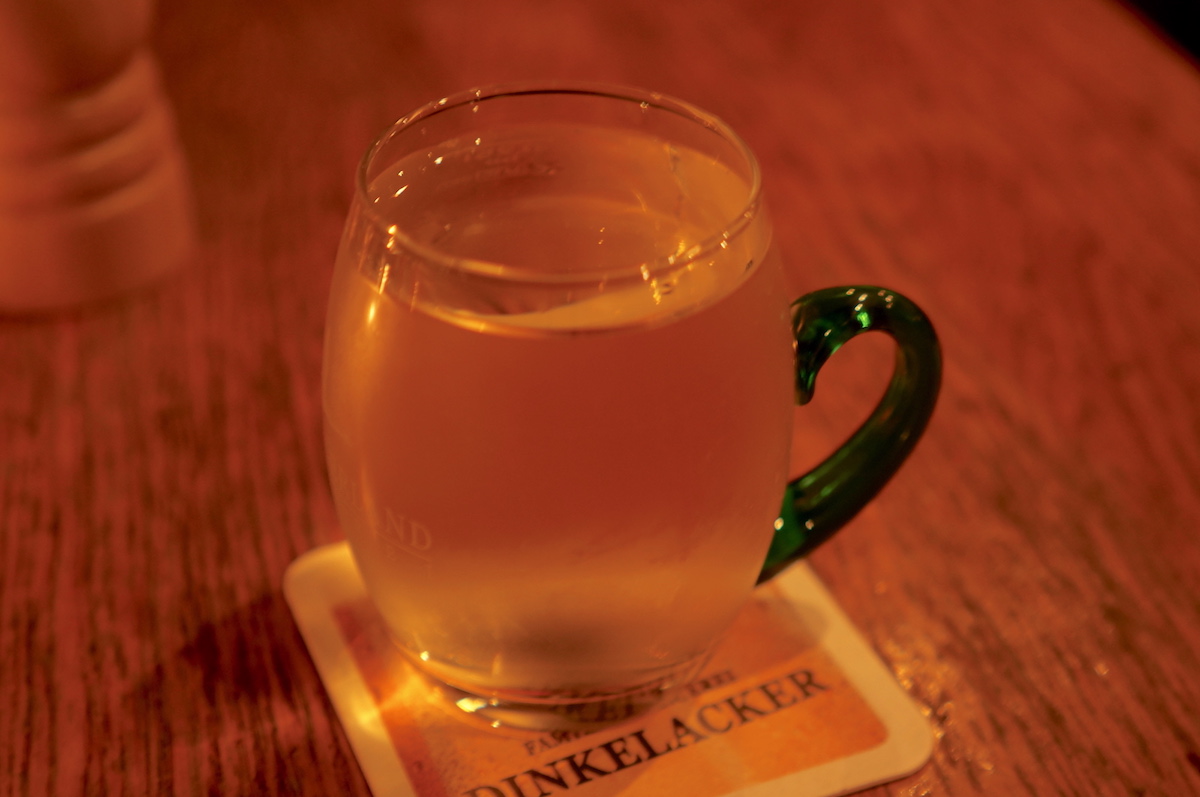
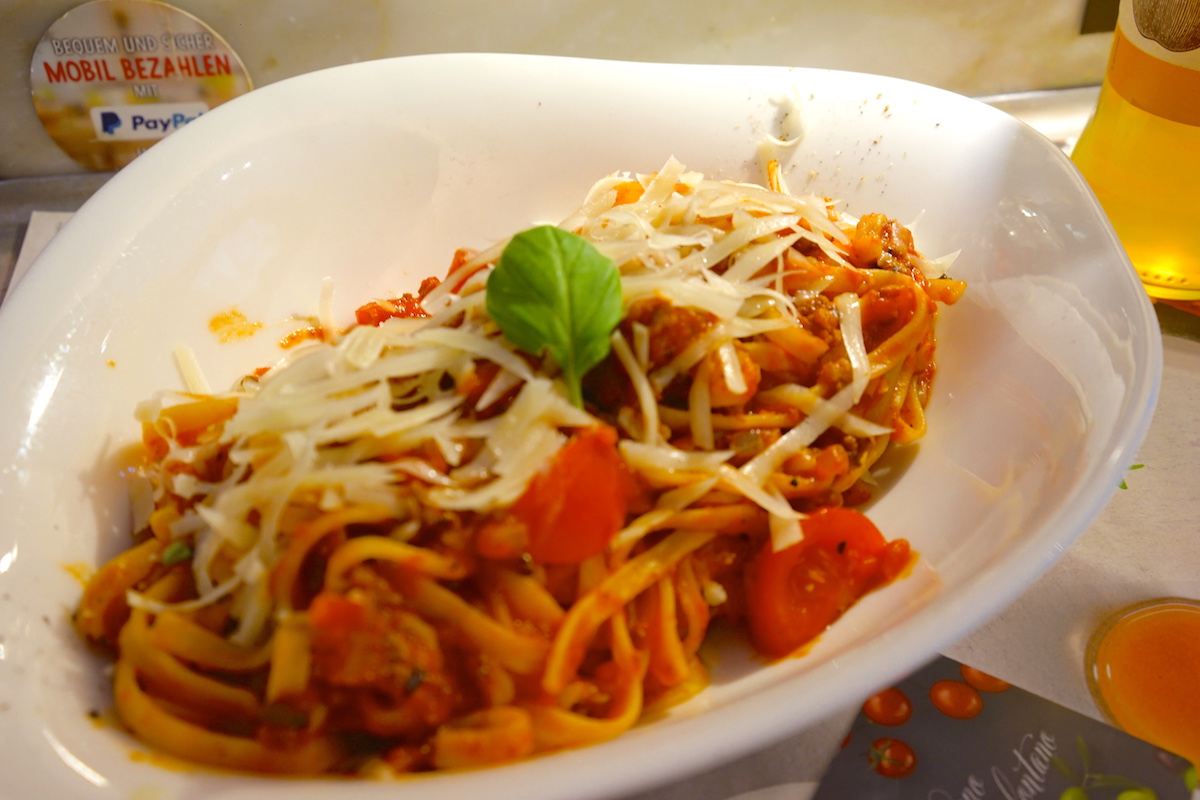
And I also enjoyed local specialities in the evening. Pan-fried tender steak with onions and local wine. They are known as “schwäbischer Zwiebelrostbraten” and “Fellbacher Lämmler” and available at a traditional Swabian restaurant or “Weinstube”, German wine tavern.


After a day of exploring the city, I went to lunch with my newly-met friends!

Deutsches Museumの特設自転車展が面白い

Deutsches Museum と呼ばれるミュンヘンの博物館が、自転車誕生200年を記念して特設展示を催しています (2018年7月まで) 。

Deutsches Museum という通称からは何の博物館であるかの情報は得られませんが、正式名称は DM von Meisterwerken der Naturwissenschaft und Technik であって、つまりは自然科学と工学の偉業を対象とするドイツの博物館と言う意味です。

扱う対象は自然科学と技術、工学に関する全ての分野。

数学、物理、化学などの「基礎科学」から薬学、天体宇宙、生命科学と多岐に渡り、それに関連する測量、計算技術、またレンズや計測器などの機器から成果物であるプラネタリム、フライトシミュレータまでバランス良くまとめられています。

具体的な展示物を述べると、初期の航空機や発電機、アナログ計算機やアマチュア無線機、GARMIN eTrex や Super Nintendo といった身近な電子機器、実物の鉱山を模した坑道、岩塩、金属、大型の加工機械にまで及びます。

展示物の内容から、小さな子どもよりも知識と教養を持った大人の方が楽しめる場所と言っても良いかもしれません。

例によって、ところどころ英語の対訳がなくなって、おもしろい事を書いてあってもドイツ語のみであったりするので、その意味でも知識と教養を持った大人向けです。

個人的には地図作成に用いられる測量器や計算式、通信機器などが特に楽しめた点でした。


その科学技術博物館が、現在、自転車を対象に特設展示を催しています。

ただし、前述の展示内容を備えた本館ではなく、自動車や機関車など乗り物ばかりが集められた別館 Verkehrszentrum がその会場となります。

場所も川の中州になる本館から地理的に離れた Bavaria Park の隣にあり、本館の入場チケット (€ 11,-) を持って行っても別館には入れてもらえないので注意が必要です。

Verkehrszentrum は本館とは別の博物館という扱いで、別途チケット (€ 6,-) が求められます。

本館の方で尋ねた際は「全館で共通だ」と職員が言っていましたが、行ってみると実際には違ったというヨーロッパでは良くあることです。

対応する職員が異なれば、また違う反応が返ってくるかもしれませんが、それも日常茶飯事なので、いずれにせよ気にしてはいけません。

こちらは本館です

Verkehrszentrum には本館に見られるような詳細な原理の説明や体験施設はありませんが、50年前の無塗装ステンレス製 Porsche 911S や Trabant が解説もなしに無造作に常設展示されていたりします。

良くみると「分かる人には分かる」凄さを秘めた大人向けの博物館であることには変わりありません。

Porsche 911S は説明不要として、Trabant というのはドイツ (だけであるかどうかは私には分かりませんが) では東ドイツ、すなわち旧共産圏の象徴のような車です。

私も年齢的に冷戦は体験していないのですが、少なくとも統一後は、特にベルリンを含む東部では、そう扱われている姿を良く目にしてきました。

そして肝心の特設展ですが、約1世紀前のロードバイク実車、初期レースの資料、トライアスロン用途の競技自転車、最新の E-Bike に Lightweight のホイール、歴代のチェーンリング (1900年製のものから2017年製の DURA-ACE まで) 、新旧のサイクリングウェアと充実の内容でした。

フラッシュライトを使用しなければ写真も撮り放題で、前からでも横からでも好きな角度から思う存分に眺めている事ができます。

100年前のクランクはどうなっていたのか、ブレーキはどのように進化してきたのか、ハブやクランクの中身はどうなっているのか、革サドルを数十年使うとどうなのか、ホイールのスポーク組は昔から余り進化していないのだなと、実物を直近で眺めているうちに数時間が過ぎました。
このように素晴らしい展示内容ですが、少しばかり行きづらいことが難点です。

ミュンヘンは割と頻繁に訪れている私でも、そのうち行けばいいかと思いながらも、全体を見て回るのに十分な時間を取れないという理由で先送りしたりを繰り返していたぐらいです。

特設展示と Verkehrszentrum だけであれば、最低2時間ぐらいあれば全ての展示品を見て回ることは可能だと思われます。

本館はそれ自体で1日が潰せるほどの展示内容なので、Verkehrszentrum だけを訪れる際には Hauptbahnhof を挟んで反対側にある BMW Museum / Welt あたりと組み合わせて回るとちょうど良いかもしれません。